FORMAT
Online
LECTURER
Josef Zissels
COST
1500 UAH
FORMAT
Online
LECTURER
Josef Zissels
COST
1500 UAH
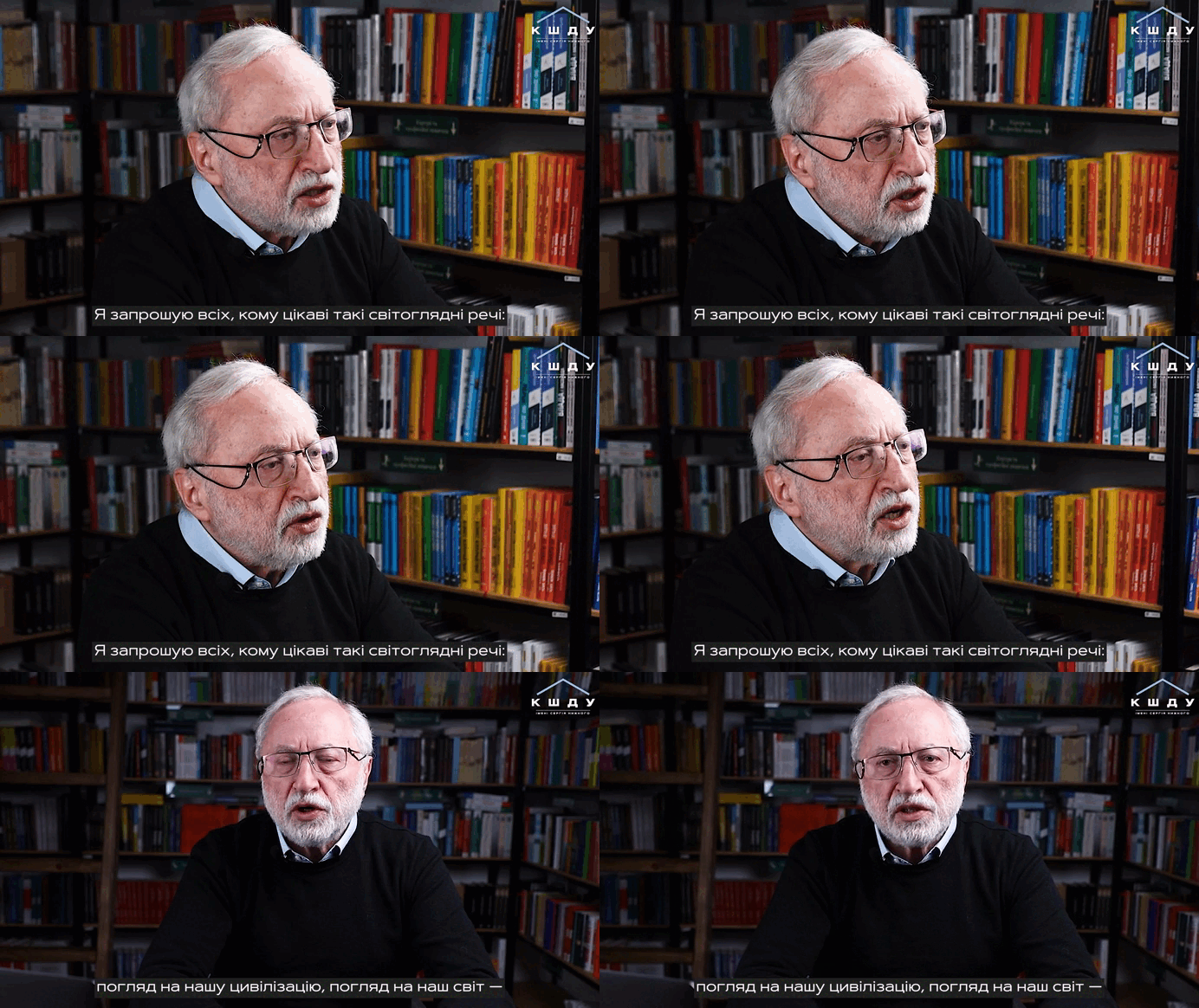 ‘Civilisation Code: Identity is an online recorded course consisting of 8 topics.
Participants have 6 months to complete the course from the moment of registration, which allows them to study at their own pace. Upon completion of the course, you will receive an electronic certificate. Access to the programme is open for 3 months from the date of registration.
The online course ‘Civilisation Code: Identity’ is an intellectual journey into the depths of individual, national, political and civilisational identity. The focus is on how the idea of self and ‘others’ is formed, how values and culture influence political preferences, and how global processes – wars, shifts in ideologies, migration – transform the collective consciousness.
* By proceeding with the purchase, you agree to the terms of the public offer
1) get acquainted with the main approaches to understanding identity as a multidimensional phenomenon;
2) consider the example of Jewish identity as a historically flexible but deeply rooted phenomenon;
3) dive into the concept of civilisational identity and its ‘energetic’ manifestations in value systems;
4) master Ronald Ingelhart’s methodology for analysing the cultural map of the world;
5) learn about the nature of the division between ‘right’ and ‘left’ in contemporary politics and the global shift towards right-wing conservative narratives;
6) analyse how the war affects personal and national identity, changing social ties, the image of the enemy and the future.
Josef Zissels
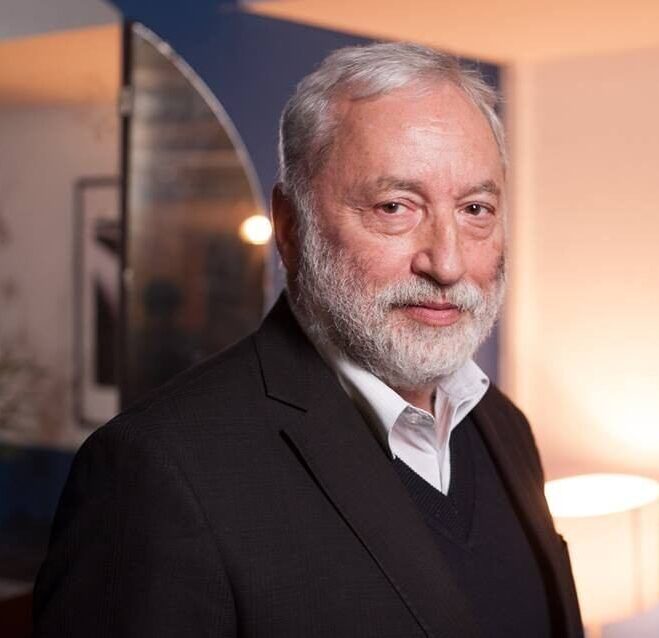
Josef Zissels
Dissident. Former political prisoner. Human rights activist. Co-president of the Association of Jewish Organisations and Communities (Vaadu) of Ukraine. Executive Vice President of the Congress of National Communities of Ukraine. Vice-President of the World Jewish Congress. Member of the First of December Initiative Group. Member of the Strategic Council of ROK. Deputy Chairman of the National Commission for the Rehabilitation of Victims of Political Repression. Since the early 70s, he has worked with Jewish and general democratic dissident movements in the USSR. In 1978, he joined the Ukrainian Helsinki Group. He was twice sentenced to three years in prison for ‘slanderous fabrications that would defame the Soviet state and social system’. In 1988, he founded the first Jewish organisation in Ukraine in Chernivtsi. In 1989, he continued to take an active part in the creation of the People’s Movement of Ukraine. In 1990, he initiated and created the Council of Nationalities of the Rukh.
* By proceeding with the purchase, you agree to the terms of the public offer