DURATION
6 training modules
FORMAT
offline, Kyiv
10 Dobrovolchykh Batalioniv St.
DURATION
6 training modules
FORMAT
offline, Kyiv
10 Dobrovolchykh Batalioniv St.

This is a comprehensive interdisciplinary programme for managers who want to understand how data, statistics and analytics work and how to transform them into management decisions, strategies and policies.
This programme is unique in its structure, as it is the first to integrally combine data as a source of influence, statistics as a language of precise analysis, and analytics as a decision-making tool. It helps managers not only to operate with numbers, but also to see patterns, trends, risks, and opportunities behind them.
As a result, participants will learn to formulate sound policies, effective business models, and development strategies at all levels — from ministries to hromadas (communities), from businesses to start-ups.
The programme allows you to ‘move beyond Excel’ and intuitive vision and understand the systematic nature of data, statistics, and analytics for decisions, strategies, policies, and scenarios.
MODULE 1. Introduction to data. Networks and ecosystems
MODULE 2. Statistics as the basis for data interpretation
MODULE 3. Sectoral and institutional analytics

MODULE 4. Analytics methodologies. How to work with data.
MODULE 5. Data as a business management resource
MODULE 6. Analytics tools and methods for decision-making. Management scenarios
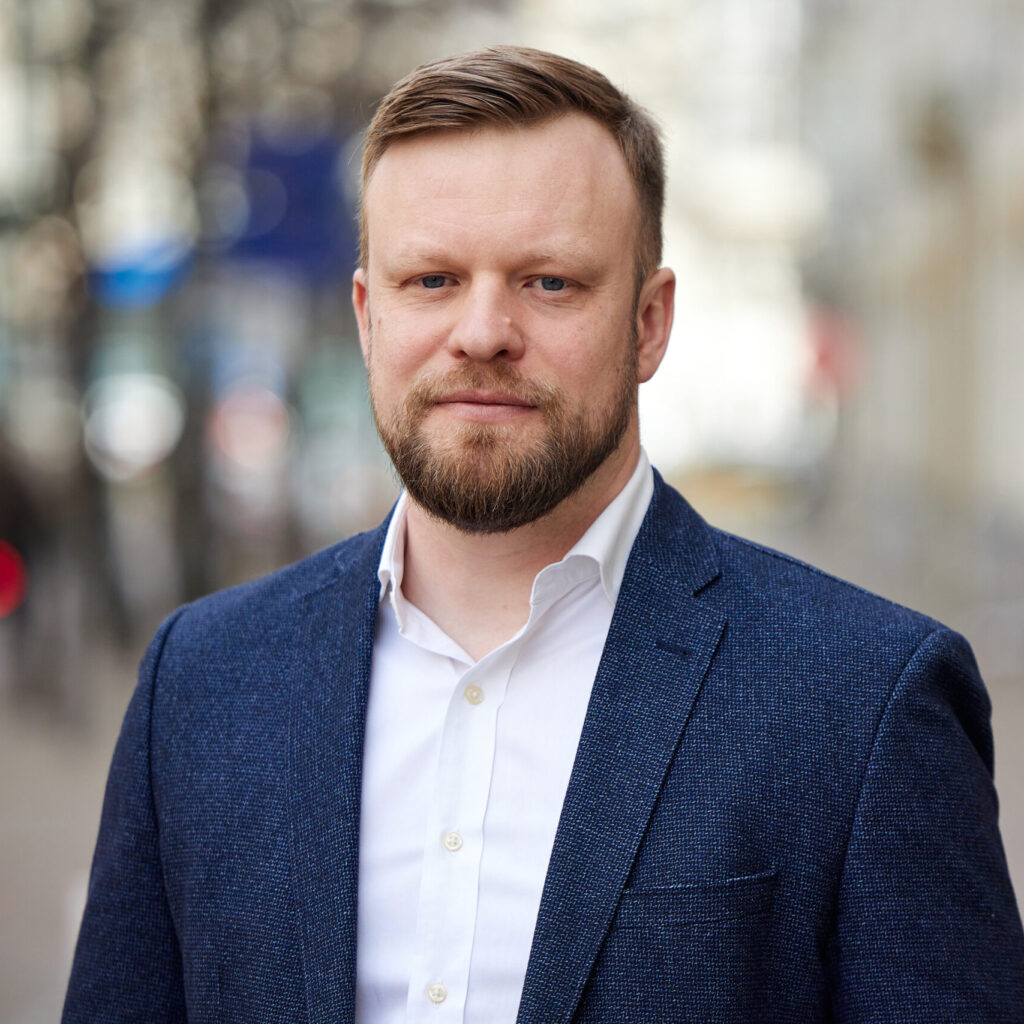
Arsen Makarchuk
Arsen Makarchuk
Head of the State Statistics Service of Ukraine.
Director of the Strategy and Development Department of the National Bank of Ukraine (2020–2025), Head of the Office of the Board of the National Bank of Ukraine (2018-2020), Assistant to the Head of the National Bank of Ukraine (2016-2018), Head of Projects and Programmes of the Strategic Change Implementation Department of the National Bank of Ukraine (2015-2016).
He has over 15 years of experience in strategic management, public policy, digital transformation, and analytics.
Candidate of Legal Sciences (2013), Master of Business Administration (MIM-Kyiv, 2018). Graduated from Lviv State University of Internal Affairs (2008).
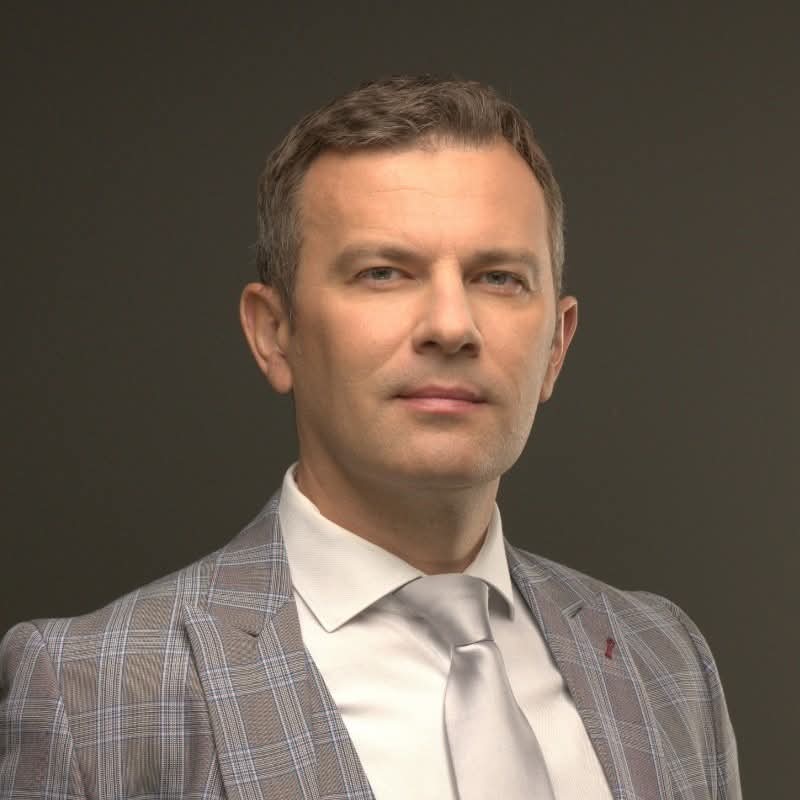
Sergii Nikolaichuk
Sergii Nikolaichuk
First Deputy Governor of the National Bank of Ukraine
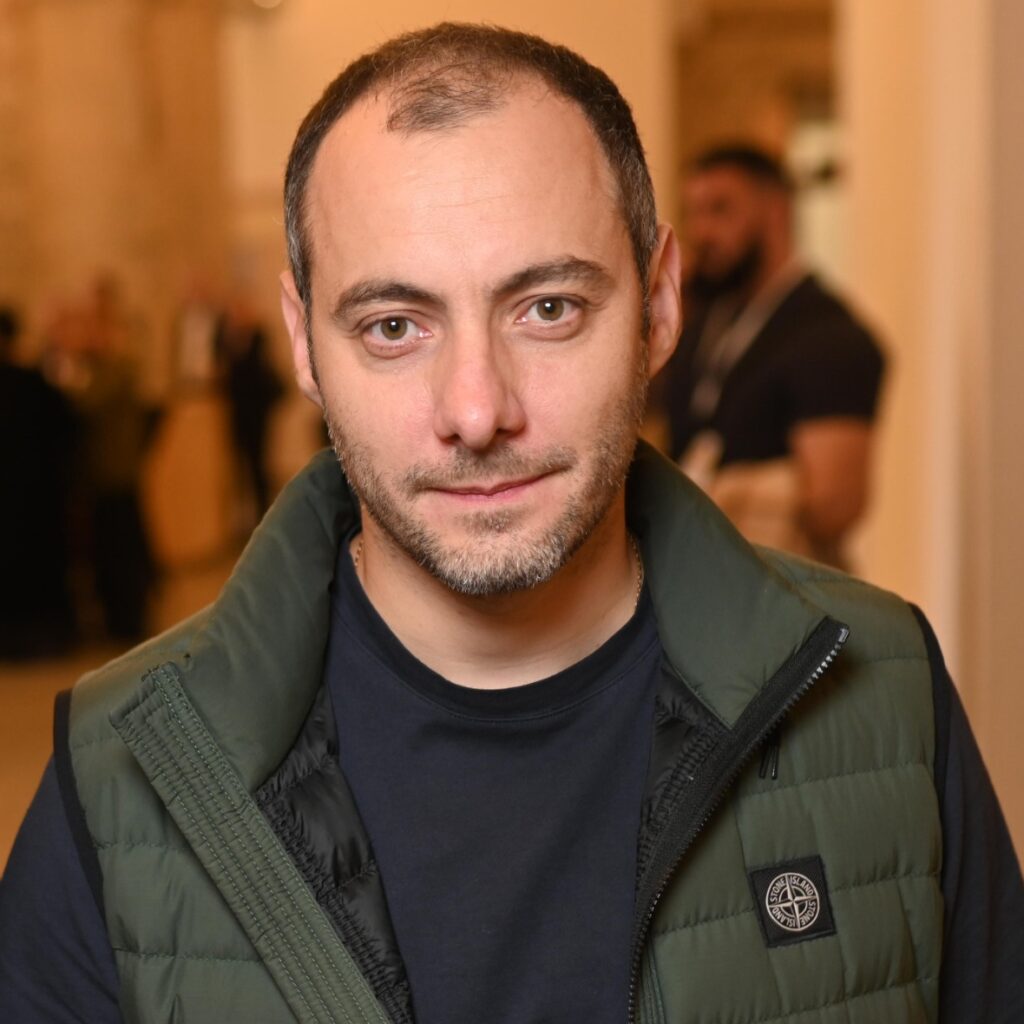
Oleksandr Kubrakov
Oleksandr Kubrakov
Head of the ‘We Build Ukraine’ analytical centre, Deputy Prime Minister for the Restoration of Ukraine (2022-2024), Minister of Infrastructure of Ukraine (2021-2022). He managed large-scale projects for the restoration and modernisation of infrastructure, coordinated military logistics, worked to attract foreign investment, develop the transport network, and restore facilities damaged by the war.
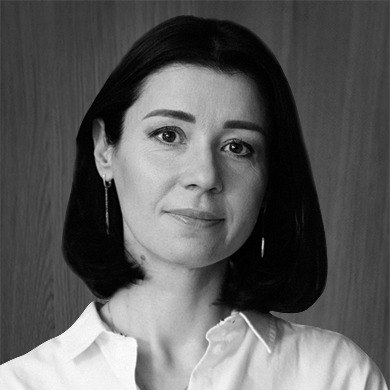
Olena Bilan
Olena Bilan
Director of the Research Department, Chief Economist of Dragon Capital.
Olena Bilan has over 20 years of experience in macroeconomic analysis and forecasting. She joined Dragon Capital in 2006 as an economist and bond market analyst, and in 2009 became Chief Economist, responsible for macroeconomic forecasts and assessments of the debt and foreign exchange markets. Since 2022, Olena has been leading Dragon Capital’s Research Department, overseeing sectoral, corporate, and macroeconomic studies.
Andriy Maslo
Andriy Maslo
Professional risk manager, investment advisor, candidate of economic sciences, founder of the fintech company INVESTUDIO
Natalia Hloba
Natalia Hloba
Systems analyst, UNDP consultant on strategic planning, advisor to the Deputy Minister of Development of Hromadas and Territories.
Denis Kudin
Denis Kudin
Director for Corporate Strategy and Development PJSC Ukrnafta
Olga Balytska
Olga Balytska
Expert in real estate, infrastructure, and investments; Co-Chair of the EBA Ukraine Recovery Committee; Head of the RE&I practice at one of the Big Four firms; Member of the Supervisory Board of CES.
Nadiia Bihun
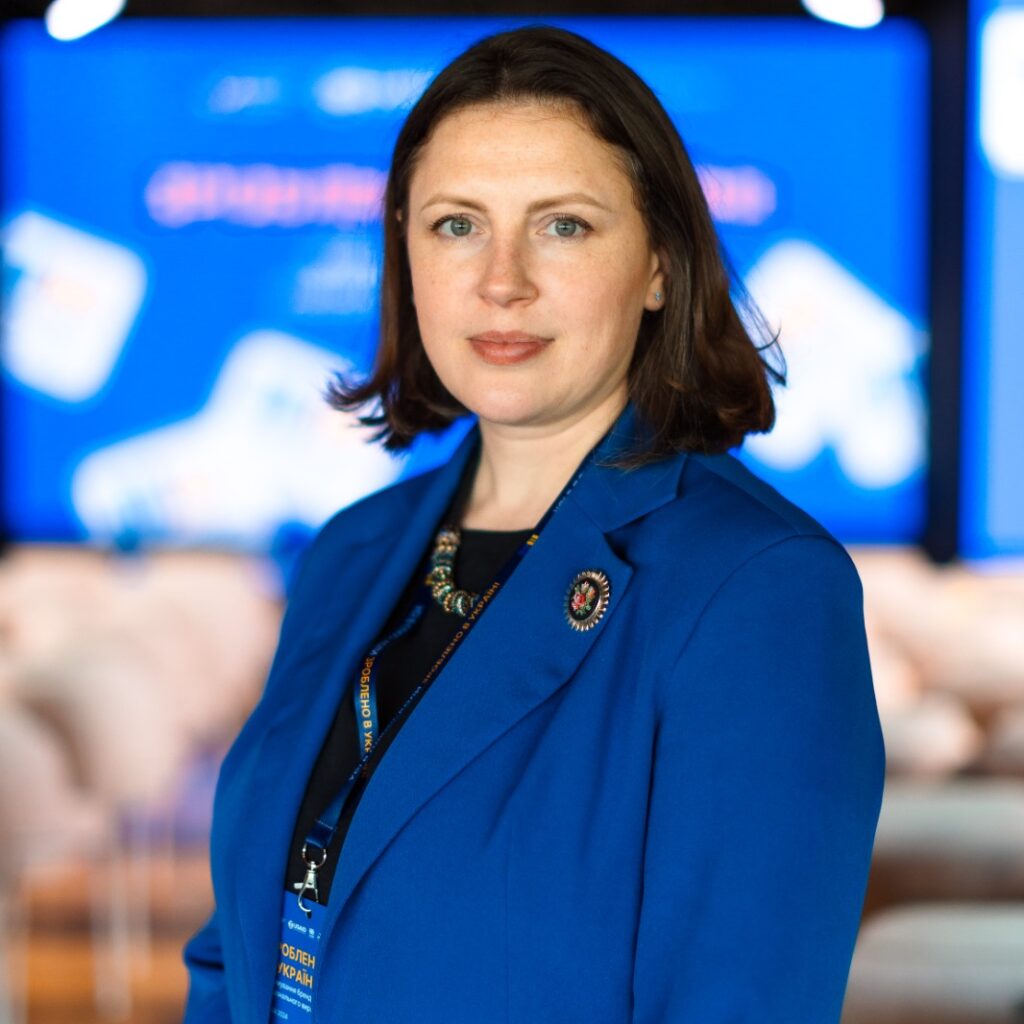
Nadiia Bihun
Director of Operational Efficiency in Procurement and Supply Chain Management at Naftogaz Group. General Management of NJSC Naftogaz of Ukraine.
Deputy Minister of Economy of Ukraine. Responsible for public procurement policy (2022-2025).
Has 10 years of experience in procurement. Joined the procurement team along with the Prozorro reform team in 2015. Responsible for procurement transformations in organizations such as Ukrposhta, Medical Procurement, and Ukroboronprom.
Volodymyr Landa

Volodymyr Landa
Advisor to the Minister of Economy (2015-2016), World Bank consultant (2015-2016), deputy editor-in-chief – head of the data department at Forbes Ukraine (2020-2023), senior economist at the Centre for Economic Strategy (2023-2025).
Roman Kobets
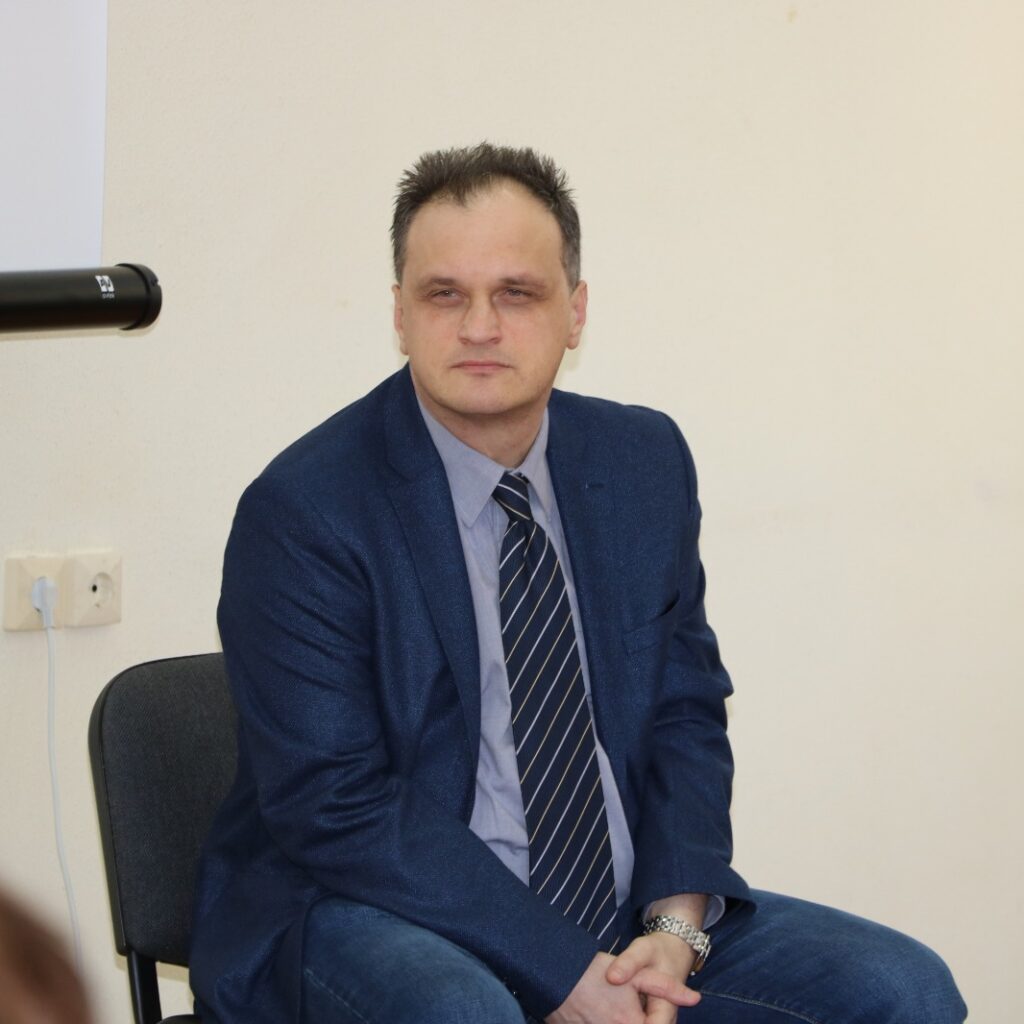
Roman Kobets
Candidate of Philosophical Sciences, Research Fellow at the H. Skovoroda Institute of Philosophy of the National Academy of Sciences of Ukraine, Public Policy Development Expert at the Office of Effective Governance, Lecturer at the Schools of Public Administration of the Ukrainian Catholic University and the National University of Kyiv-Mohyla Academy, advisor to the Prime Minister of Ukraine (2019-2020), currently advisor to the Head of the National Agency for Corruption Prevention (NAZK), head of the European Information and Research Centre at the Verkhovna Rada of Ukraine (2015-2018)
Yevhen Panchenko
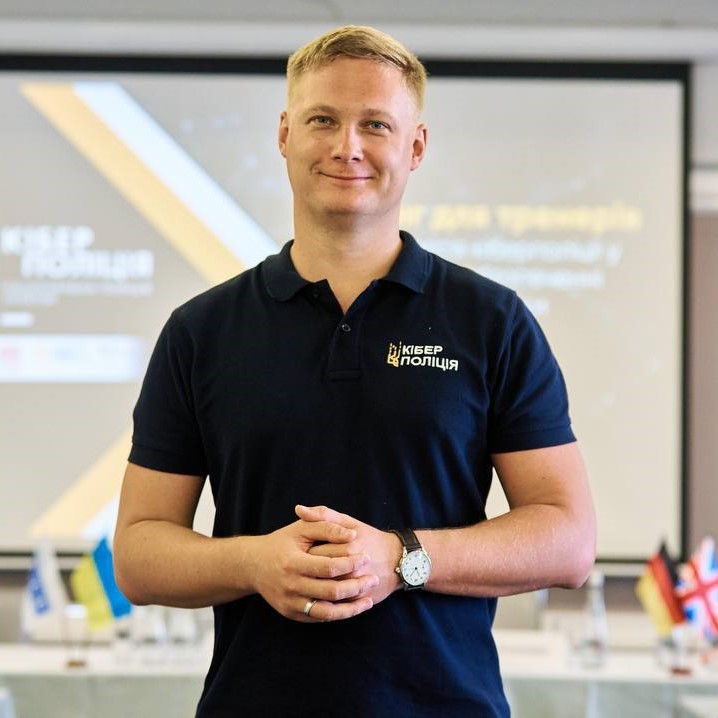
Yevhen Panchenko
First Deputy Head of the Department
of International Police Cooperation of the National Police of Ukraine
Senior Lecturer at the Centre for Criminal Analysis
of the National Academy of Internal Affairs
Expert/Consultant to the OSCE
Trainer at the Higher School of Public Administration of the National Academy of Public Administration
Arsen Ilyin
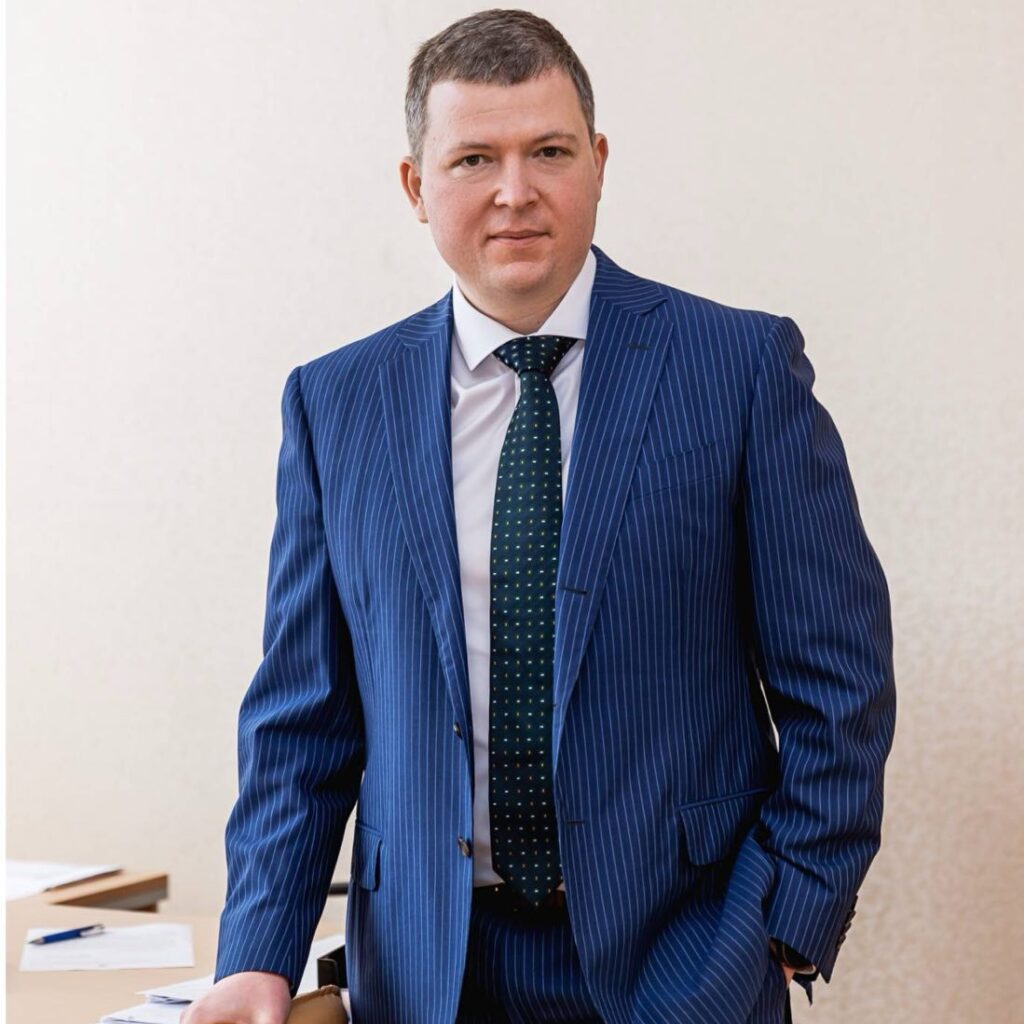
Arsen Ilyin
Member of the National Securities and Stock Market Commission
Oleksiy Ignatenko
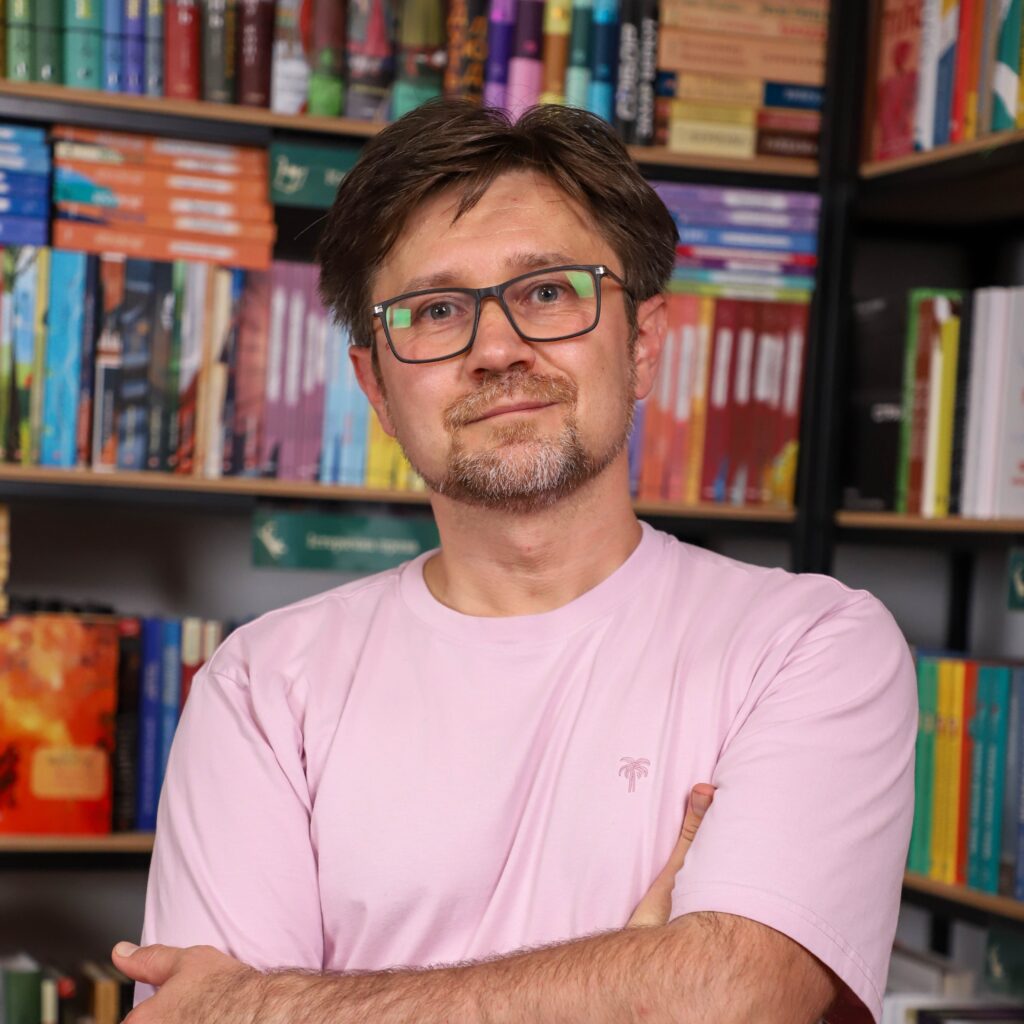
Oleksiy Ignatenko
Doctor of Physical and Mathematical Sciences, Senior Research Fellow, Professor at the Faculty of Applied Sciences, Ukrainian Catholic University.
For the past 20 years, he has been conducting research in the field of game theory and multi-agent systems. One of the organisers of the UNLP conference dedicated to the development of methods for processing natural Ukrainian language.
Dmytro Synko
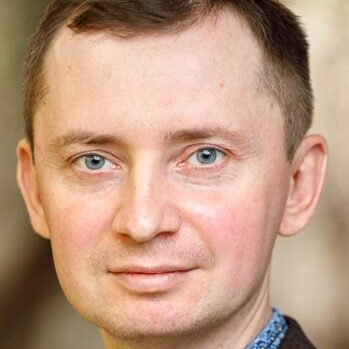
Dmytro Synko
Consultant (Saturday Team consulting company), project manager (Ukrainе Support Team NGO), lecturer at Kyiv-Mohyla Academy (Department of Marketing, Management, and Entrepreneurship)
– Community expertise: Borodianka community in Kyiv region (socio-economic modeling of community development for 5 years), Sheptytska community in Lviv region (determining community development strategy through quantitative and qualitative surveys), Kozelshchyna community in Poltava region (comparative analysis of the community for a strategic session)
– Industrial expertise: management consulting (Saturday Team), FMCG (Avon Cosmetics Ukraine and Georgia), telecommunications (Kyivstar), oil and gas (Naftogaz of Ukraine), higher education (Kyiv-Mohyla Academy)
– Functional expertise: data analysis and modeling, competitive intelligence, strategy
Taras Borovskyi
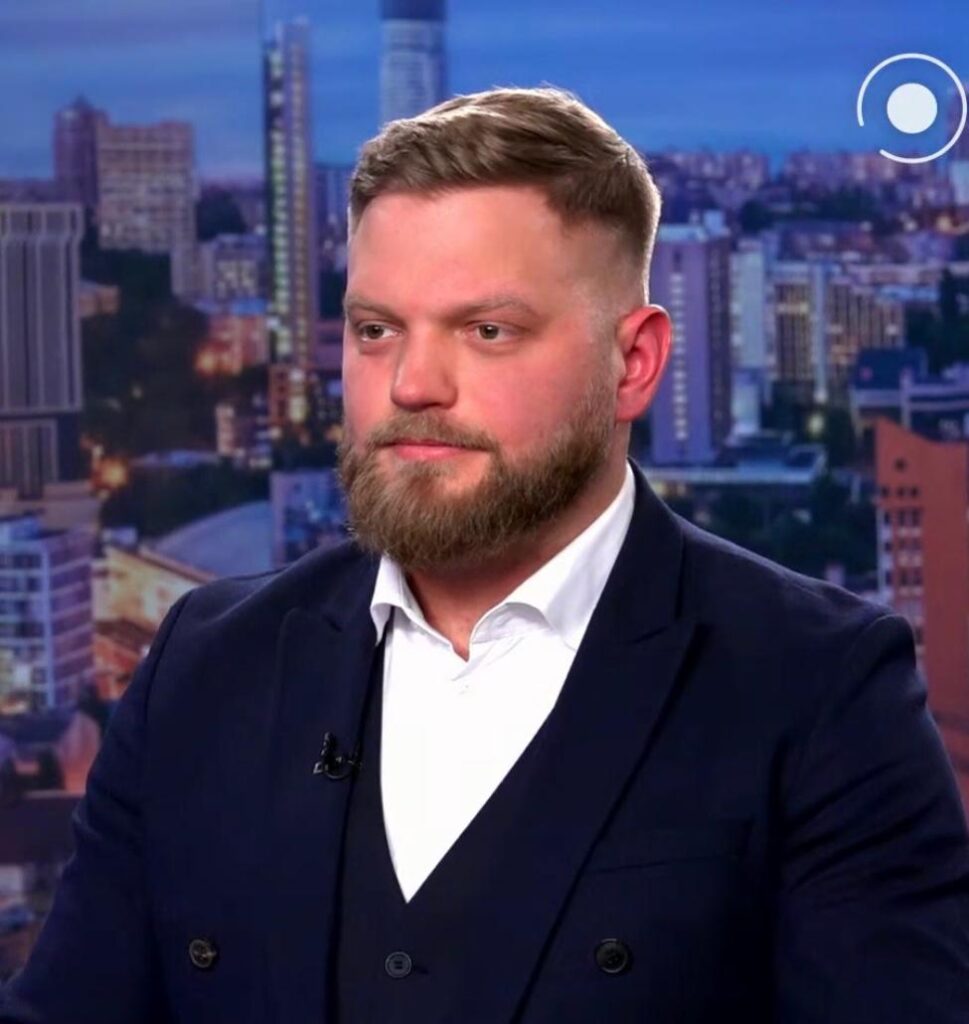
Taras Borovskyi
Lawyer, employee of the Verkhovna Rada of Ukraine VI, VII, VIII, IX convocations, Advisor to the Deputy Minister of Defense on Legal Issues 2024-2025
Andriy Dligach

Andriy Dligach
Doctor of Economics, founder of Advanter Group and the international business community Board. Co-founder of the Center for Economic Recovery. Coordinator of the development of the National Economic Strategy.
Chairman of the Council of the Coalition of Business Communities for the Modernization of Ukraine.
Chairman of the Center for Social Change and Behavioral Economics
Victor Pynzenyk
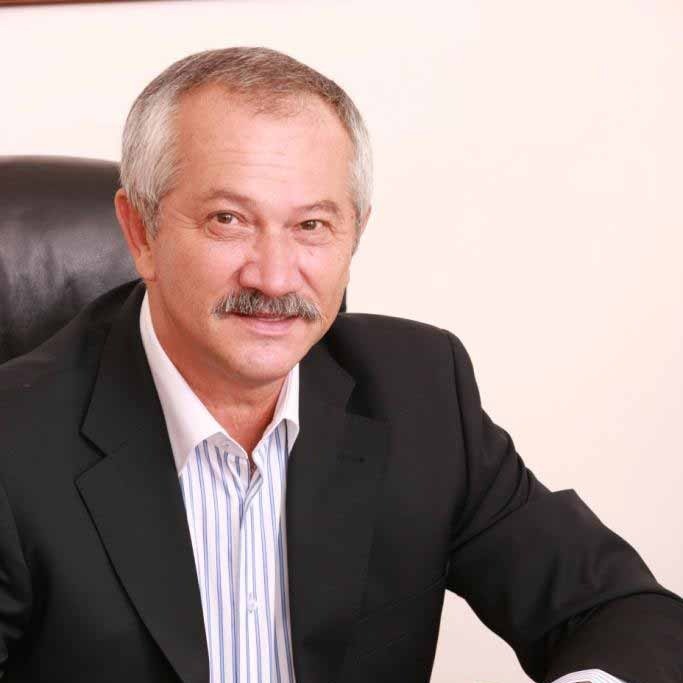
Victor Pynzenyk
Ukrainian politician and economist. Minister of Finance and Deputy Prime Minister of several governments of Ukraine. Member of Parliament of Ukraine of the 1st, 2nd, 3rd, 4th, 6th, 7th, 8th convocations.
Maryna Ostretska
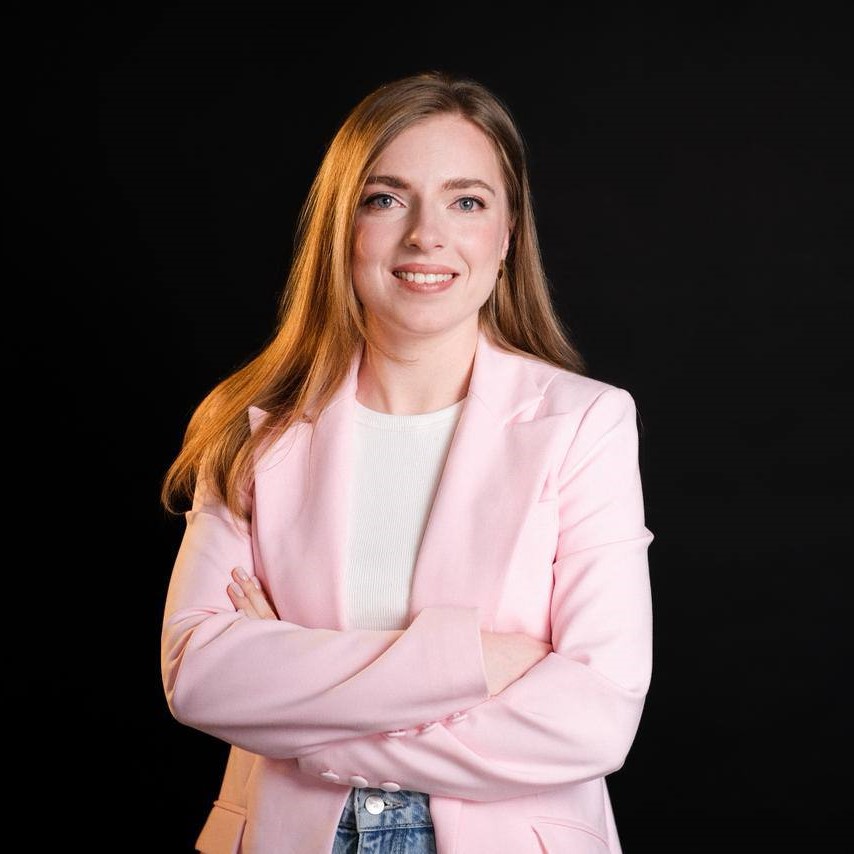
Maryna Ostretska
State expert of the expert group on open data of the Directorate of State Electronic Systems and Data of the Ministry of Digital Transformation of Ukraine
Serhii Movchan
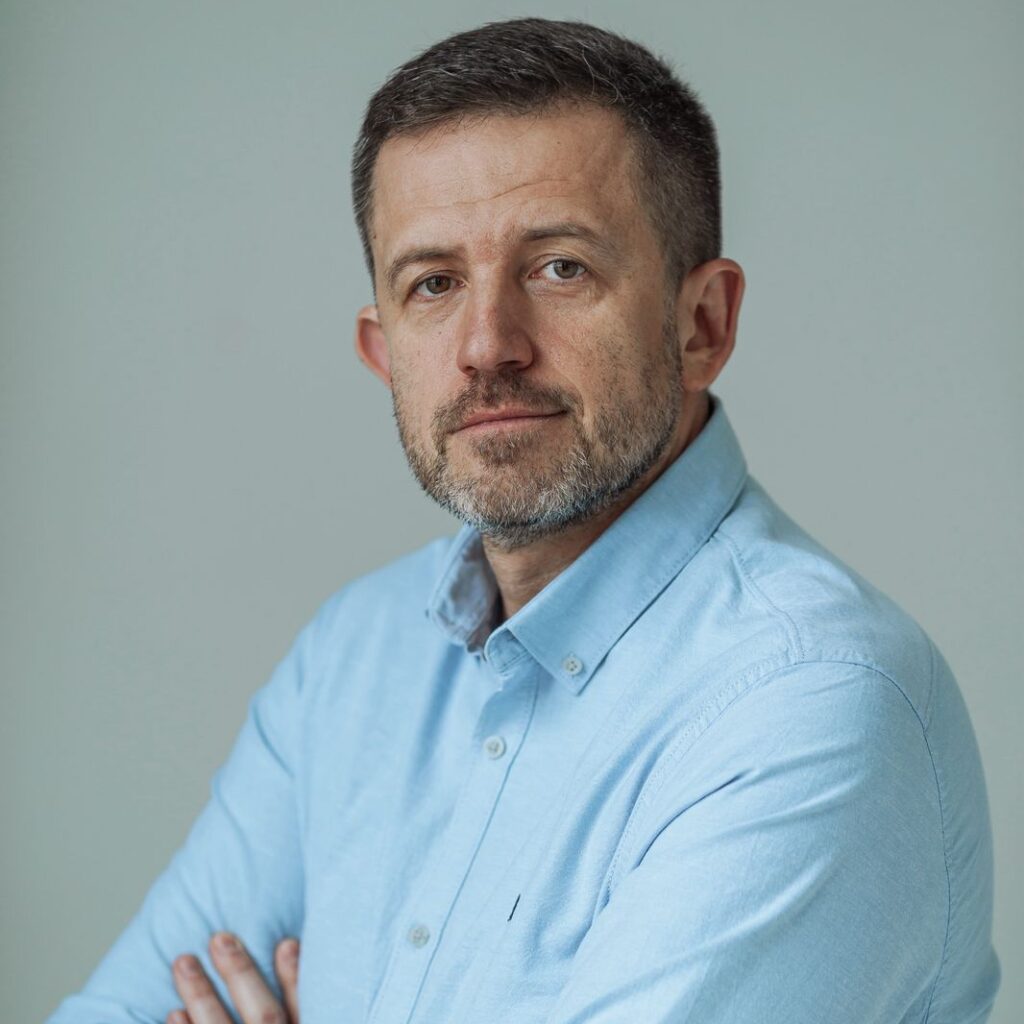
Serhii Movchan
Director of Digital Transformation, ALVIVA GROUP