Kyiv, 10 Dobrovolchykh Batalioniv Street
The programme aims to help business owners and corporate managers:
– assess the export potential of their companies
– prepare products to meet international market requirements, taking into account sectoral analytics data and regional marketing characteristics
– find financing opportunities (grants, loans, export support agencies)
– master global marketing and logistics tools;
– build effective international partnerships;
– act confidently in an intercultural environment and in negotiations.
Speakers
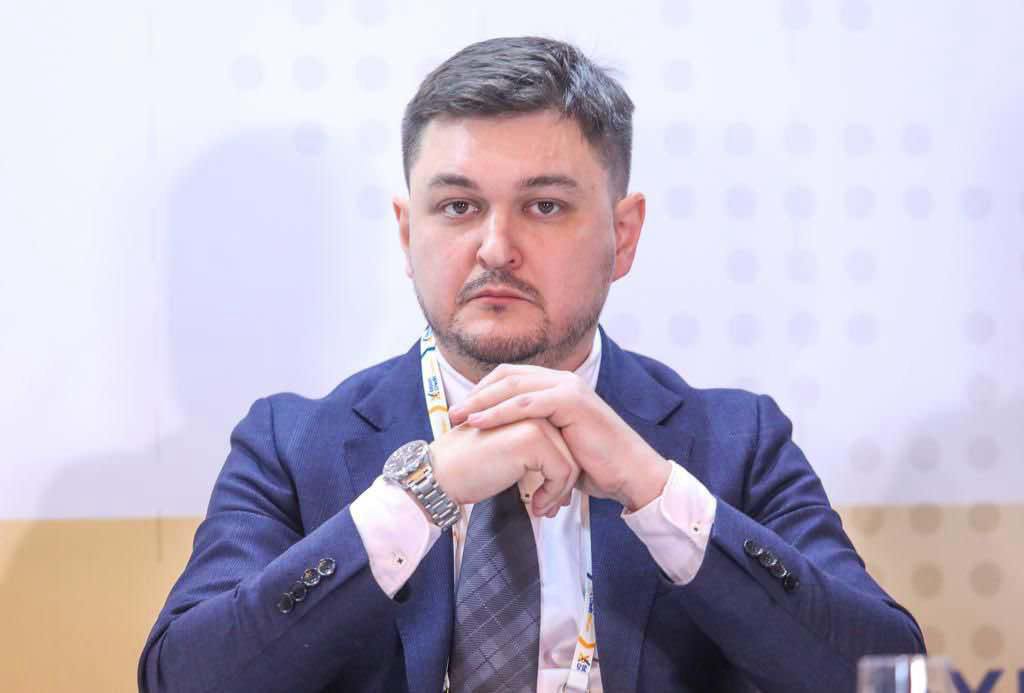
Ruslan GASHEV
Chairman of the Board Export Credit Agency From March to October 2020 – the Director of the Entrepreneurship Development Fund. From July 2019 to March... ...
read more

Andriy Remizov
Director of the State Institution “Office for Entrepreneurship and Export Development” ...
read more

Oleksii Hrushetskyi
Deputy Director for Export Promotion at the State Institution “Office for Entrepreneurship and Export Development” ...
read more

Natalia Butkova
Member of the Management Board in charge of MSMEs at Oschadbank JSC ...
read more

Oleksandra Sologub
Chief Operating Officer of Nazovni ...
read more

Natalia Morozova
Managing partner of Havas Village Ukraine Chairman of the Board of MAMI Member of the Supervisory Board of the VRC Member of the Board of... ...
read more

Anna Lyubyma
Director of International Cooperation at the Ukrainian CCI ...
read more

Valeriia Zabashta
Head of the sector of new forms of international cooperation and project activities at the Ukrainian Chamber of Commerce and Industry ...
read more

Iryna Zelenina
President of the Ukrainian Export Alliance and Ukrainian Horeca Cluster, expert on promoting Ukrainian business in foreign markets, co-founder and director of the CCI Export... ...
read more

Nina Dombrovska
Co-founder and co-president of Women on Boards Ukraine Former president of Henkel Ukraine and a member of the Board of Directors of the European Business... ...
read more

Kseniia Yudina
Consultant, business trainer, coach, and expert in the field of Supply Chain Management (SCM).A hands-on practitioner with over 15 years of leadership experience in supply... ...
read more

Karine Petrosyan
Professional experience: Over 20 years in top management positions in international companies CEO of the international logistics company PTL Group Inc. Educational experience: Senior Tutor... ...
read more

Victoria Volovenko
Head of Analytics at UkraineInvest ...
read more

Oleksii Kovalenko
Co-founder and Managing Partner at Savvy L&D Solutions.Business writing coach and course developer.Oleksii’s experience includes delivering 210 training sessions across 10 countries and 58 companies. ...
read more
*The list of lecturers can be supplemented and changed
THE TRAINING PROGRAMME INCLUDES
Module 1. Company export potential and export requirements
Module objective: to provide participants with a clear understanding of the criteria for assessing a company’s export potential, requirements and tools for preparing a product for entry into international markets. The focus is on assessing a company’s export readiness, compliance with technical and legal standards, certification, and strategic positioning of a product in a global marketing context.
20-21 September | 2 days
Module 2. Financing expansion into international markets
The module aims to provide business owners and managers with a clear understanding of the sources of financing for export activities, from state support and international funds to risk insurance and the creation of sustainable financial models. Participants will gain knowledge for the practical mobilisation of financial resources for export projects.
27 September | 1 day
Module 3. Establishing international partnerships
Module objective: to provide participants with tools for the effective development of international cooperation, the formation of long-term business alliances, integration into the industry ecosystems of other countries, and the use of diplomatic and diaspora resources to expand their export presence.
28 September | 1 day
Module 4. Logistics and supply chains
Module objective: to provide participants with knowledge and practical tools for effective management of logistics processes when entering international markets, minimising risks in supply chains, and complying with customs and tax requirements in different countries.
4 October | 1 day
Module 5. Intercultural communication and negotiations
Module objective: to provide participants with tools for effective communication and trust building in an international environment, taking into account cultural differences, business practices and negotiation ethics in different countries. The module is dedicated to understanding the cultural context in international business: differences in communication styles, decision-making, approaches to time, hierarchy, and teamwork. Participants will learn how cultural characteristics influence business processes, how to avoid misunderstandings, and how to adapt their communication style to the specifics of a particular region.
5 October | 1 day
PROGRAMME is designed for
- Small and medium-sized business owners who are planning to enter international markets or have already taken their first steps in exporting, but want to systematise their knowledge and strengthen their position.
- Top managers and heads of business development departments responsible for expansion, foreign economic activity, strategic partnerships, marketing or logistics.
- Representatives of the corporate sector interested in scaling up their business, finding foreign investors, international partners or learning about the specifics of foreign markets.
- Consultants and experts in international trade, logistics, and certification who work with export-oriented companies or in international SME support projects.
Learning objectives and outcomes:
- Participants will learn how to determine a company’s internal readiness for export, analyse product competitiveness, and assess logistics, production and human resources.
- Learn about certification procedures for the EU, US, MENA and Asian markets, as well as typical barriers to entry.
- Master the principles of strategic marketing in international markets: how to adapt your brand, value propositions and communications to cultural codes, consumer expectations and local habits. Particular attention will be paid to the development of an export marketing campaign and practical adaptation cases.
- Gain practical information on institutional support mechanisms for small and medium-sized businesses at different stages of the export cycle.
- Find out how to choose the right export financial support programme, use co-financing instruments, obtain advice and access partner networks.
- Discover the specifics of working with international donors, investors and small and medium-sized business support programmes. Business plan requirements, legal structuring of agreements, due diligence procedures, as well as eligibility criteria for companies and projects to attract funding will be discussed.
- Develop a comprehensive understanding of how foreign economic contract insurance mechanisms, payment guarantees, and political and commercial risk coverage work.
- Learn about platforms for product presentation, ways to attract contractors and obtain market expertise. An overview of the key functions of chambers of commerce and industry, associations, clusters and alliances in supporting exporters will be provided: certification, trade missions, search for foreign partners, business networking.
- Develop a vision of how transatlantic business councils work, how to initiate contact with large companies, join strategic projects, participate in specialised forums and trade missions.
- Acquire practical skills in logistics models that correspond to the characteristics of the product, market, pricing and regulatory environment.
- Familiarise themselves with risk management tools: insurance, forward contracts, dynamic inventory planning, legal support for foreign economic agreements. Particular attention will be paid to working with logistics providers and fixing obligations in contracts.
- Develop practical skills and a vision of how cultural characteristics affect business processes, how to avoid misunderstandings and adapt communication styles to the specifics of a particular market. Practical cases from the EU, USA, Asia and other countries will be considered.
We recommend this course to those who want to:
- Expand their business to international markets, successfully adapt their products to the requirements of other countries, and systematically build an export strategy with all the necessary elements.
- Find sources of financing for foreign economic activity — from government and international grants to loans and insurance.
- Build effective long-term international partnerships with businesses, investors, diaspora or institutions abroad.
- Master global marketing, intercultural communication and negotiation strategies in different markets.
- Understand logistics and risk management in export deliveries, choose the best delivery and customs clearance model.
- Strengthen the company’s competitiveness, develop an export strategy and avoid critical mistakes when scaling abroad.
THE COST OF TRAINING
10, Dobrovolchykh batalyoniv Str., Kyiv
40000 UAH
For your convenience, we offer an online payment option. Register and pay in a way that is convenient for you. 