Kyiv, 10 Dobrovolchykh Batalioniv Street
A comprehensive practical programme on operational management
General management
 GENERAL MANAGEMENT is a comprehensive practical programme on OPERATIONAL MANAGEMENT based on five key functions: planning, organisation, motivation, control and coordination.
The training format is 3-in-1:
coaching expertise,
business cases from top managers,
practical work on your own management challenges.
The target audience for the GENERAL MANAGEMENT programme is managers who want to move away from ‘operational routine’ and intuitive management and move towards operational processes with proven effectiveness.
The programme is based on the behavioural, operational and strategic logic of a manager who:
- not only manages ‘through their position’, but also creates conditions for others to act;
- constantly makes decisions in conditions of uncertainty;
- works with people as motivators, not objects of instructions;
- shapes organisational culture and team dynamics, and develops the organisation’s ability to change/adapt/transform.
General Management is a programme about operational management as a gene embedded in the DNA of a modern manager. It is about how to build systems that are capable of evolution, anti-fragility and scalability.
General Management is the activation of the management code. From strategy to implementation, from people to processes, from tasks to results — we decipher the ‘operational management gene.’
The General Management programme is designed as a transition from strategic to operational management. It covers all key stages of the management cycle: from vision and business plan development to the setup of operational processes, including financial planning and budgeting, marketing, communications and crisis management.
THE TRAINING PROGRAM INCLUDES
Module 1. Introduction to Management is an intensive immersion into the evolution of management thinking, from the classical principles of Taylor and Fayol to modern frameworks such as Adizes, Cynefin, and approaches to management in complex environments. Participants will explore the life cycles of organisations, maturity levels, decision-making logic and the roles that determine the effectiveness of a management team.
Module 2. Planning: Strategic and Operational Vision is a practical roadmap for managers, combining strategic thinking with day-to-day management tools. Participants will go from forming a strategic vision to building operational plans, systematic budgeting, business planning, marketing and communications — creating a comprehensive planning system that works for results in a real business environment.
Module 3. Organisation: Building an effective structure is a systematic analysis of how to assemble a viable organisation with a clear division of roles, processes and responsibilities. From choosing an organisational model and leadership practices to building operational processes, project management, change implementation, anti-fragility and crisis response, this module helps participants create a flexible, strong and resilient organisational structure.

Module 4. Motivation: People and Systems
This module immerses participants in the multidimensional world of motivation — from classic theories of needs and motivational strategies to modern Total Rewards systems, role interaction, corporate culture, and management style. The module combines an analytical look at motivational models (Maslow, Herzberg, Pink) with practical tools for building trust, feedback, employee archetypes, and motivational resonance.
Module 5. Control: how to maintain quality and results is dedicated to control systems in management — from regular and situational control to modern approaches such as KPI, OKR, and compliance. Participants will learn to identify management mistakes, analyse customer analytics, and build a control system to maintain quality and performance.
Module 6. Coordination. Synchronisation of teams, functions and processes focuses on building effective interaction within the organisation and aligning interests with owners, investors and external partners. Participants will gain tools for managing culture, conflicts, projects and stakeholders.
THIS COURSE IS FOR
- Middle and senior managers
Department directors, operations managers, division managers
Those who need to improve their strategic, organisational and analytical tools
Those who want to move from tactical to systemic management - Business leaders/company owners
Representatives of small and medium-sized businesses;
Looking for ways to build sustainable teams, a system of delegation and transparent control;
Need skills to coordinate internal and external processes. - Managers in the public sector / new generation civil servants
Project office managers, directors of institutions;
Work with multi-level teams, have a high level of responsibility;
Seek approaches to adaptive management, change management and cross-sectoral coordination. - Leaders of non-profit, public organisations and social impact leaders
Need tools for strategic planning, building sustainable structures and partnership systems;
Focused on long-term impact and social innovation. - Potential CEOs/COOs/HRDs and others
Preparing for a move to a higher position;
Want to broaden their managerial outlook and thinking and take their management practice to a new level
Programme Mentor
Olga Babiy
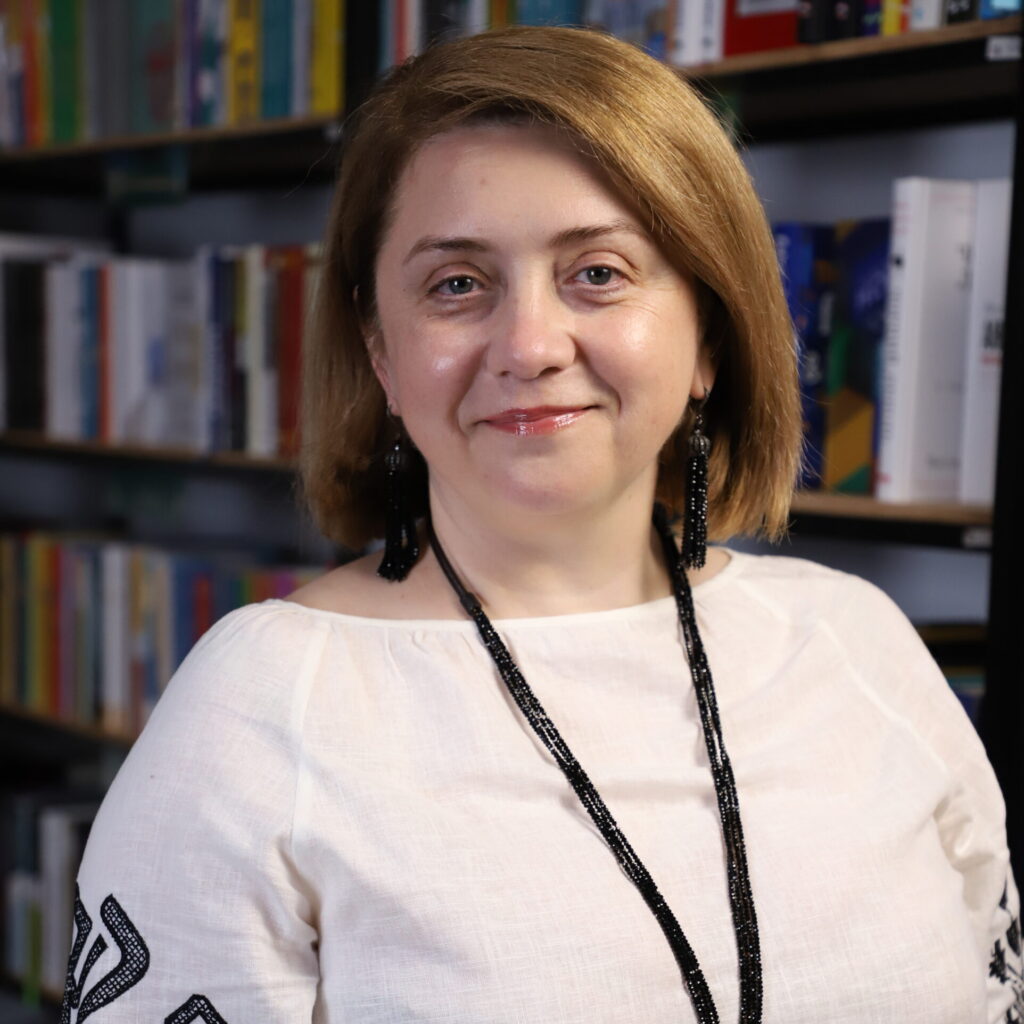
Olga Babiy
Advisor to the Secretary of the National Security and Defence Council of Ukraine
SPEAKERS
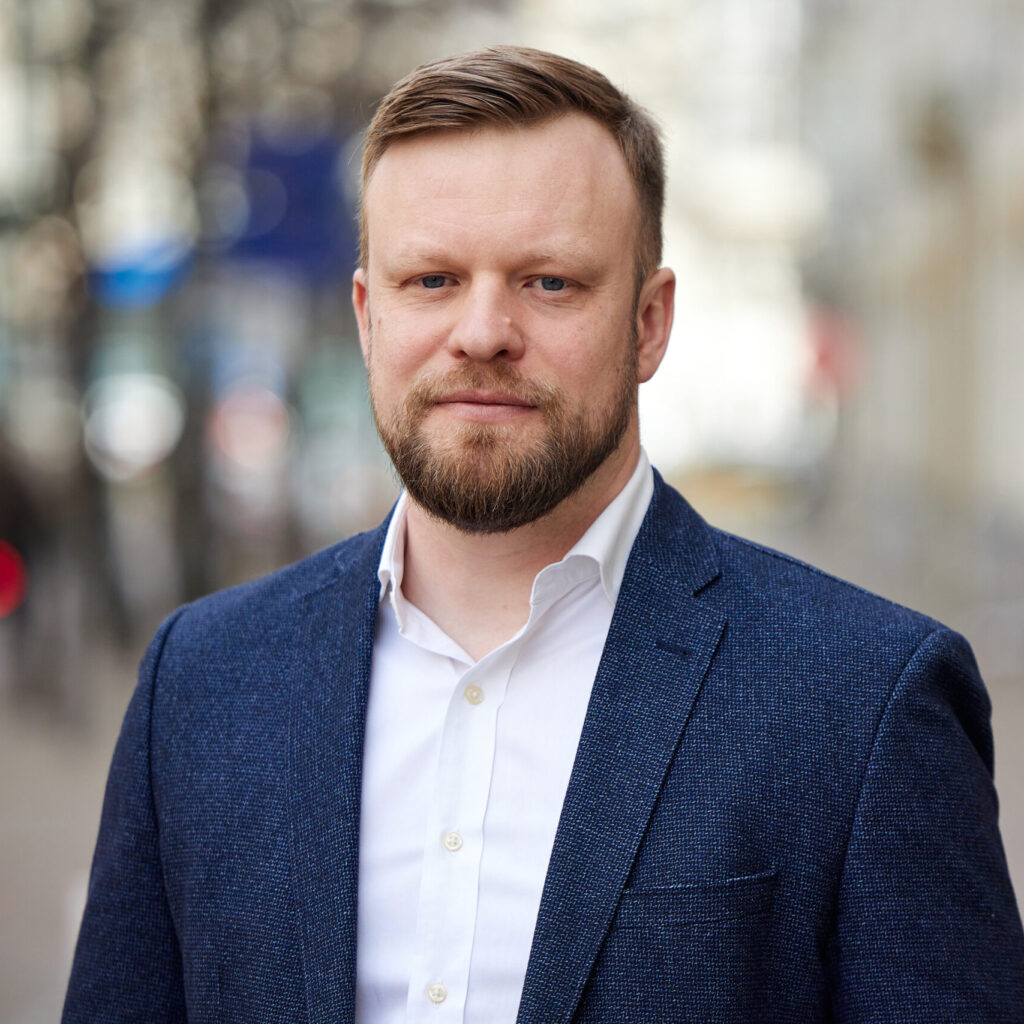
Arsen Makarchuk
Head of the State Statistics Service of Ukraine. Director of the Strategy and Development Department of the National Bank of Ukraine (2020–2025), Head of the... ...
read more

Oleksii Svitlichnyi
Candidate of Psychological Sciences, Professor at the Kyiv Business School. Founder of the OPENSTRATEGY consulting bureau. Coach, researcher, organisational consultant. Certified facilitator in the ToP... ...
read more

Olena Beca
Psychologist, psychotherapist, coach, founder of the OPENSTRATEGY consulting bureau. Master facilitator in the ToP (Technology of Participation) approach. Lecturer at the Kyiv Institute of Group... ...
read more

Oleksiy Gromyko
Managing Partner at the Project Management Bureau, Professor of Operations and Project Management at KSE Graduate Business School, Academic Director of the MBA programme, President... ...
read more
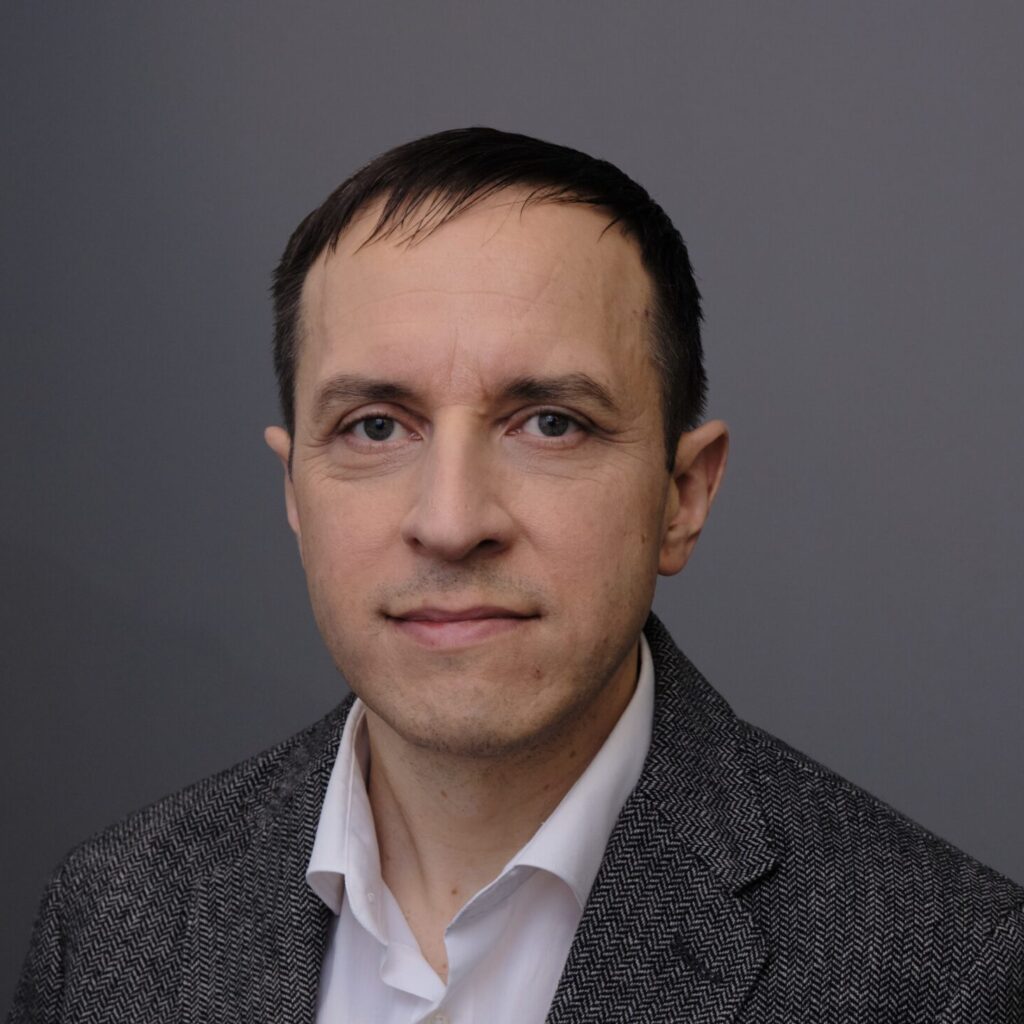
Oleksii Gerashchenko
Economist, top financial manager, lecturer of author’s financial courses at the Kyiv-Mohyla Business School, consultant, entrepreneur. Has many years of practical experience in financial management... ...
read more

Maksym Belov
Professional marketing manager, strategist and brand evangelist with over 25 years of practical experience in marketing, brand development, marketing communications and team management. Has many... ...
read more

Olena Martynova
Chief Marketing Officer at Starlight Media and Head of the international creative agency Starlight Creative. A marketing expert with over 25 years of experience in... ...
read more

Yurii Chornenkyi
Head of the Marketing Communications Department at Kyivstar. Yurii’s portfolio includes the development of brands such as Kyivstar, Beck’s, life:), and Beeline Kazakhstan. Jury member... ...
read more
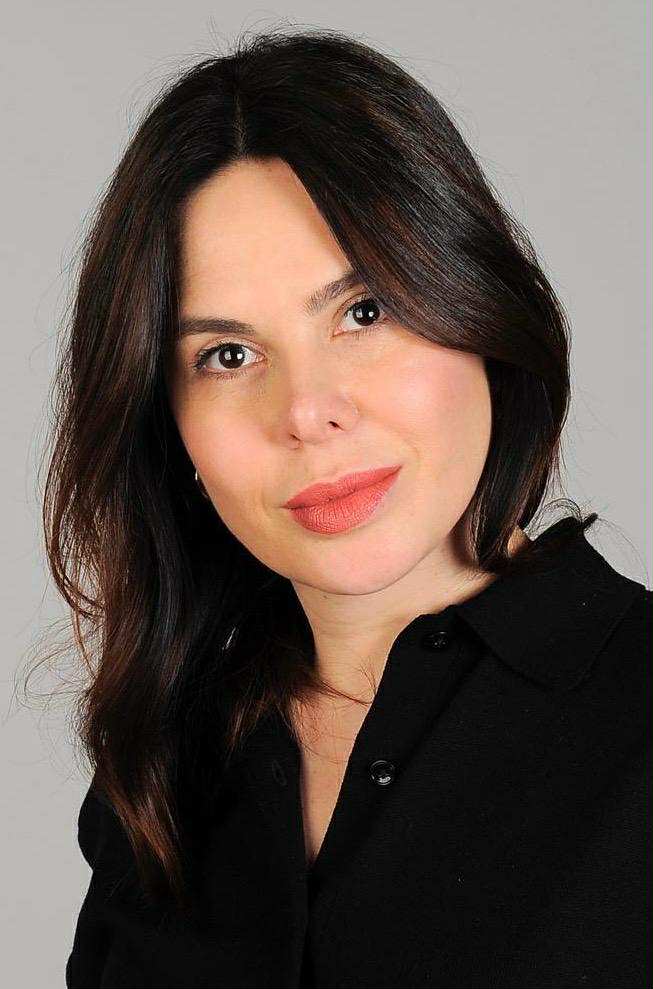
Tetiana Hromova
Has over 17 years of experience in the legal field, including around 12 years in compliance.Member of the International Compliance Association (ICA) and Chair of... ...
read more
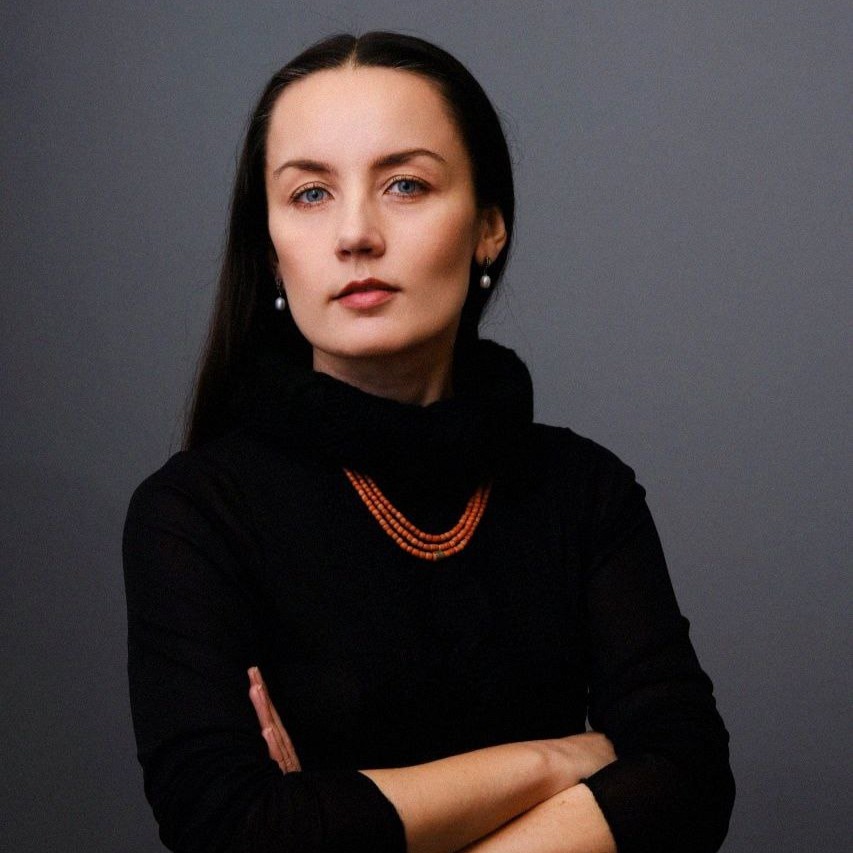
Iryna Chubukova
Business consultant in customer analytics, strategic marketing and loyalty programmes with over 15 years of experience. Author of the book ‘Customer Analytics’. Since 2016, she... ...
read more

Olga Prokhorenko
HR mentor, researcher, consultant, author of development and training programs for HR professionals and leaders, speaker, and facilitator. Author of the HRthinker channel. Former HR... ...
read more
Andriy Kryuchkov
Leading expert in strategy development under conditions of uncertainty and complexity. Moderator of strategic sessions.Expert in developing executives’ strategic thinking.Over 25 years of specialization in... ...
read more

Olena Platova
Psychotherapist, psychoanalyst, group analyst, crisis psychologist for the PSYCHOLOGISTS IN WAR project ...
read more

Olena Nikolskaya
Business coach, psychotherapist, game practitioner, Hogan Assessment consultant. Military psychologist, crisis interventionist. Professional specialisation: * development of emotional maturity and ethical leadership; * mental health... ...
read more

Tetiana Honchar
Over 20 years of experience in organizational effectiveness and human resource management.PhD in Economics.Member of Supervisory Boards.Executive and Business Coach, PCC ICF (member of ICF... ...
read more
PROGRAM OBJECTIVES:
- Holistic management thinking
You will understand how the five key functions of operational management (planning, organisation, motivation, control, coordination) form a complete management decision cycle.
You will be able to see the organisation as a system: identify points of influence, feedback loops, and potential failures. - Strategic ability to act
You will learn to form a strategic vision based on weak signals, foresight, and scenario analysis.
You will be able to adapt planning to complex and uncertain environments (Cynefin framework). - Ability to build viable organisations
You will master approaches to building organisational structures that can withstand stress, change and scaling.
You will be able to formalise roles, processes and areas of responsibility in teams and structures. - People and motivation skills
You will learn how to create an environment that supports engagement, initiative, and team growth.
You will identify employee motivation profiles and select effective management styles. - Modern approaches to management quality control
You will be able to build a control system that does not stifle initiative but guarantees results.
Learn to use effective management audit tools. - Tools for effective coordination
Master methods for bringing together functions, people and departments around a common goal.
Be able to build partnerships, align stakeholder interests and manage change in a multi-team environment. - Develop reflective and adaptive skills
Get tools for self-assessment, feedback, and analysis of management mistakes.
Learn to make decisions based on data, context, and living system logic.
We recommend this course to those who strive to:
- create their own effective operating system;
- lead a team or business out of operational chaos and into a manageable structure;
- strengthen their leadership position through an understanding of management mechanics and behavioural patterns;
- learn to think like an organisational architect — to see the big picture and build a coherent system;
obtain specific tools that work in complex, dynamic environments; - make management not intuitive, but demonstrably effective.