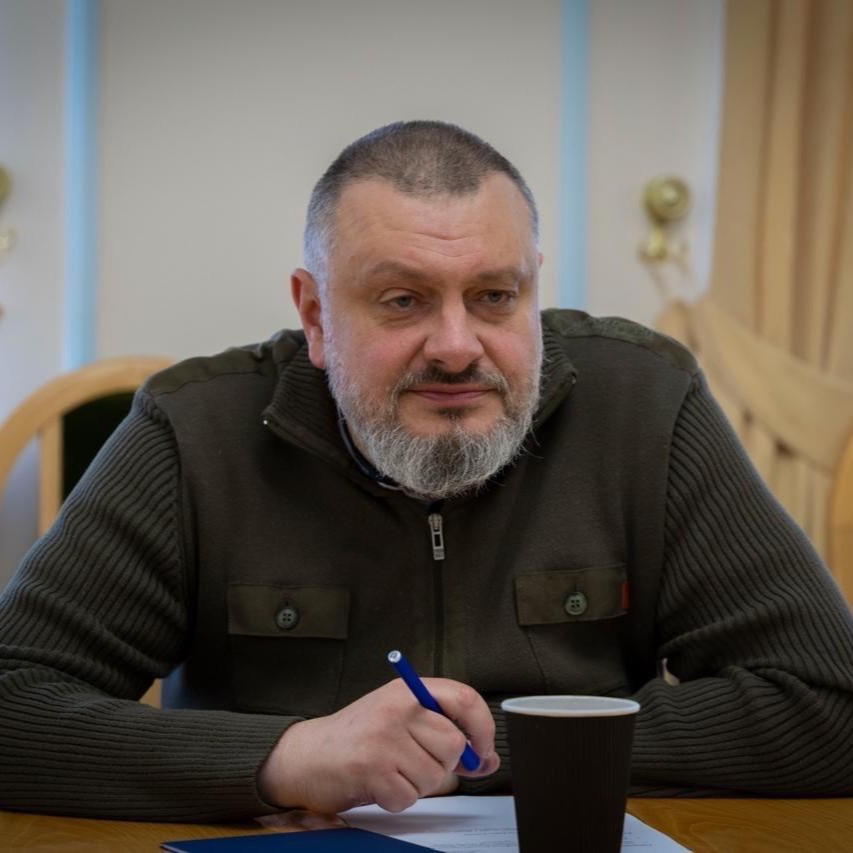
Author's programme by Oleksandr Lytvynenko

Grand strategy: what is it?

FORMAT
Offline, Kyiv
10 Dobrovolchykh Batalioniv St.

PROGRAMME AUTHOR

Oleksandr Lytvynenko
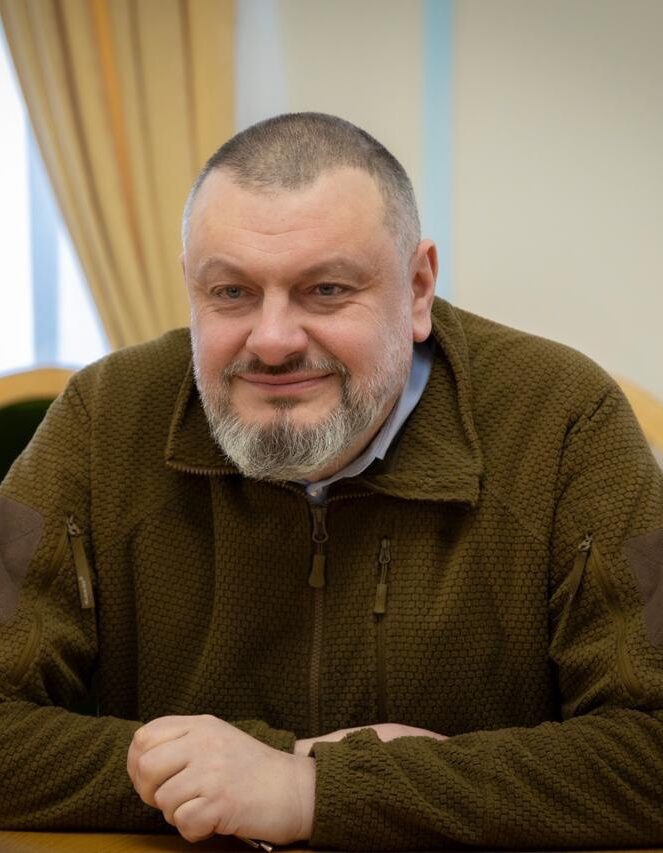
This programme is an intellectual journey into the world of strategic thinking, international politics and the philosophy of statehood.

The programme combines classical ideas of the ancients with modern theories of international relations to show how states think, plan and act in the long term.
Participants will learn what ‘grand strategy’ means — the systematic application of all tools to achieve national goals — and why it is precisely the ability to think strategically that distinguishes a strong state from one that fades into history.

Uniqueness of the Programme

In times of global turbulence and war, Ukraine faces the task of not only defending itself, but also formulating its own ‘grand strategy’ — a vision of the future of the state in the post-war world.

This course will help you:

  • understand the logic behind the behaviour of major powers;
  • see how strategic cultures are formed;
  • realise how historical experience is transformed into contemporary politics;
  • develop strategic thinking.

Programme Topics

1. International Relations
Theoretical foundations of international relations. War and peace. Large, medium and small states. State, empire, colonialism. National interests. Elites. Hegemony. Geopolitics. The Thucydides Trap. The prisoner’s dilemma. The ally’s dilemma. What is strategy, doctrine, concept? Strategic culture. Levels: tactics, grand tactics (operational art), strategy, grand strategy. Instruments of national power. Strategy of destruction. Strategy of attrition. Material and psychological.

2. National grand strategies: from Rome to Great Britain

3. National grand strategies: USA, PRC, Russia

THIS COURSE IS FOR

  • Government officials — representatives of ministries, regional state administrations, parliamentary committees, and think tanks.
  • Security and defence sector officers, strategic planning and national security analysts.
  • Diplomats, international relations specialists, foreign policy experts — anyone who works at the intersection of national and global interests.
  • Analysts, political scientists, economists who study international systems, conflicts, and state-building processes.
  • Leaders of civil society organisations and projects who seek to understand how long-term national goals are formed.
  • Journalists, communicators, and social science teachers who explain global processes to a wide audience.And for anyone who:
    wants to understand how states and leaders think;
    aspires to see the connections between war, economics, politics, and culture;
    seeks an intellectual framework for understanding Ukraine’s role in the post-war world;
    thinks on the level of ‘grand strategy’ — not events, but civilisational processes.

Program Author

Oleksandr Lytvynenko

Grand strategy: what is it?

Oleksandr Lytvynenko

Ukrainian scientist, statesman. Doctor of Political Sciences (2002), professor (2011), major general of the reserve (08.2015). Civil servant of the 2nd rank (06.2015), Secretary of the National Security and Defence Council of Ukraine (26.03.2024 — 18.07.2025), Coordinator of the Supreme Commander-in-Chief of the Armed Forces of Ukraine (29 March 2024 — 24 July 2025).
From 4 April 2014 to 13 August 2019 — Deputy Secretary of the National Security and Defence Council of Ukraine. From 13 August 2019 to 23 July 2021 — Director of the National Institute for Strategic Studies. On 23 July 2021, he was appointed Head of the Foreign Intelligence Service. Since 27 July 2021, he has been a member of the National Security and Defence Council of Ukraine. From 26 March 2024 to 18 July 2025, he served as Secretary of the National Security and Defence Council.

Upon completion of the course, participants will

  1. Understand fundamental approaches to the analysis of international relations — realism, idealism, constructivism — and learn to see how they manifest themselves in contemporary politics.
  2. Master the concept of ‘grand strategy’ — as a systematic combination of politics, economics, military power, culture, and values of a state.
  3. Learn to distinguish between levels of strategic thinking — from tactics to grand strategy — and understand how individual decisions affect long-term state policy.
  4. Be able to interpret contemporary international events through the prism of states’ strategic interests, rather than just the tactical moves of politicians.
  5. Gain an understanding of how national interests, strategic culture and the role of elites in state-level decision-making are formed.
  6. Acquire strategic analysis skills — synthesising information, assessing risks, identifying trends and building scenarios.

We recommend this course if you want to:

  • Think strategically, not reactively, and see not only events, but patterns, causes and consequences.
  • Understand the logic of states and leaders: how national interests are formed, why countries go to war or form alliances.
  • Master the tools of analytical thinking — from theories of international relations to models of ‘grand strategy.’
  • Learn to analyse international events systematically, through the prism of interests, resources, culture, and values of states.
  • Form a strategic vision of Ukraine’s future based on its geopolitical position, resources, and cultural identity.
  • Improve your management skills — think in terms of systems, goals and scenarios, not just projects and decisions.
  • Develop a helicopter view — the ability to see the big picture, where politics, economics, culture, security and values are combined into a single strategy.

PRICE FOR THE STUDY

10, Dobrovolchykh batalyoniv Str., Kyiv

LEAVE YOUR APPLICATION FOR TRAINING RIGHT NOW!

    (the field is required)