ONLINE Lecture 27/04/2023 19:00
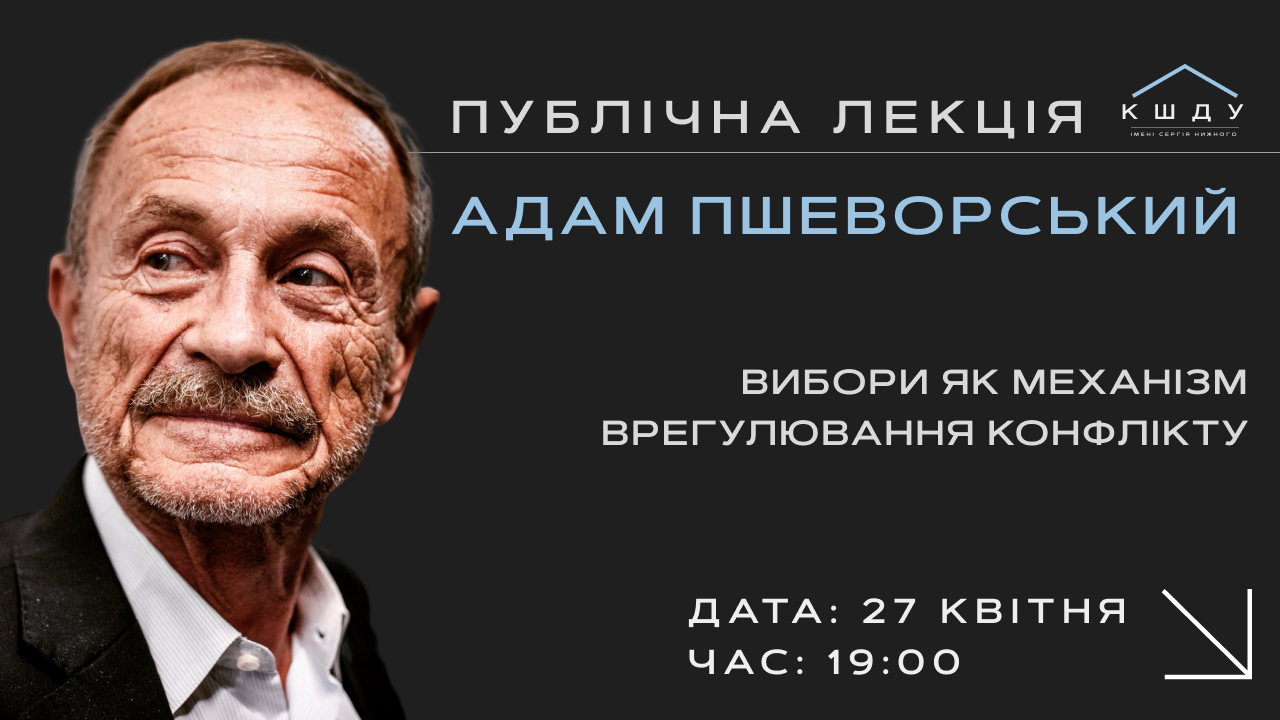
LECTURE BY ADAM PRZEWORSKI
Elections as a mechanism for conflict resolution
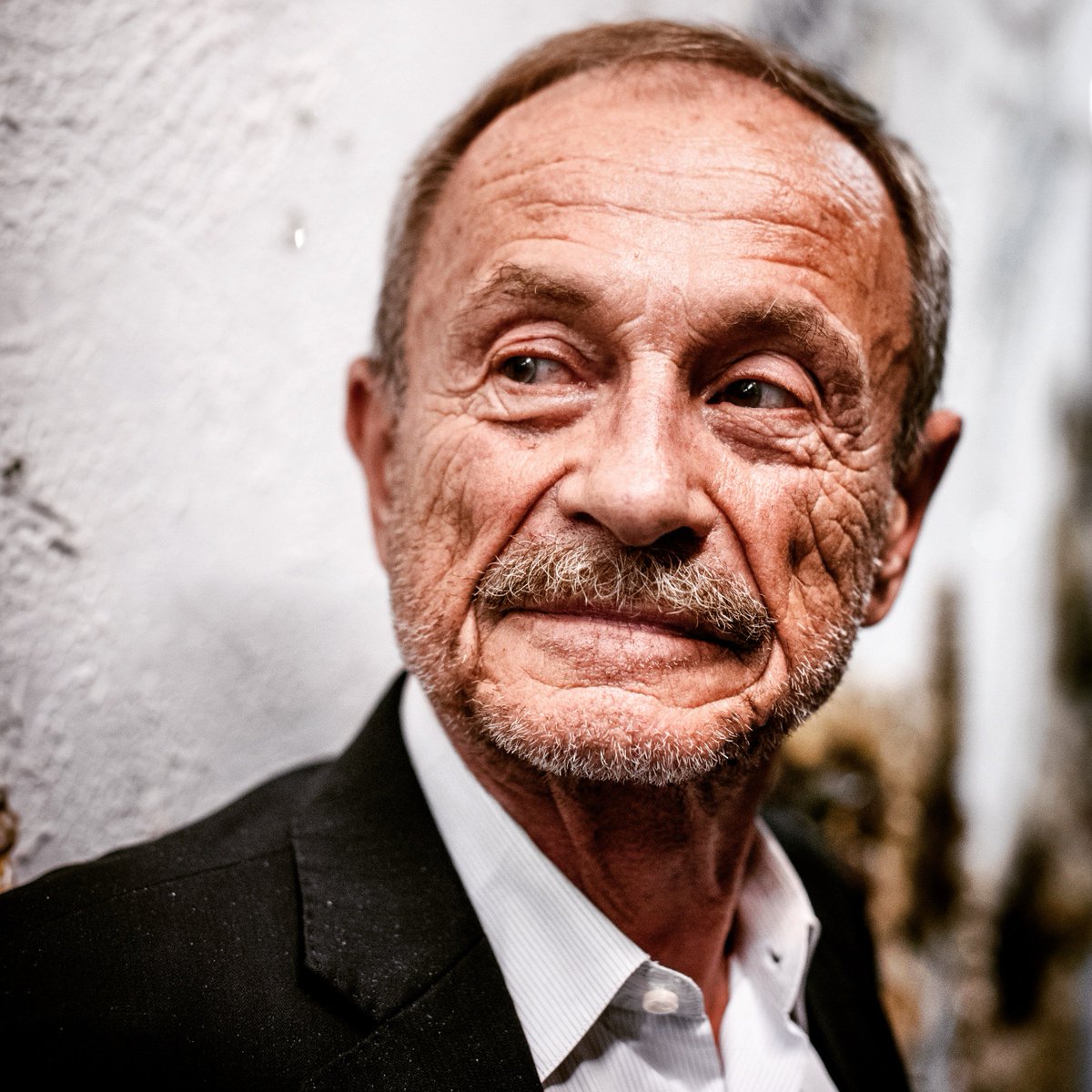
Adam Przeworski is an honorary professor at New York University. He previously taught at the University of Chicago and has lectured in India, Chile, France, Germany, Spain, and Switzerland.
A member of the American Academy of Arts and Sciences, the National Academy of Sciences, and the British Academy, he is the recipient of the 1985 Socialist Review Book Prize, the 1998 Gregory M. Lubbert Prize for Articles, the 2001 Woodrow Wilson Prize, the 2010 Lawrence Longley Prize, the 2010 Johan Skitt Prize, the 2018 Sakip Sabanci Prize, and the 2018 Juan Linz Prize.
He has recently published two books, Why Bother with Elections? (London: Polity Press 2018) and Crises of Democracy (New York: CUP 2019).
Free access
He has recently published two books, Why Bother with Elections? (London: Polity Press 2018) and Crises of Democracy (New York: CUP 2019).
Specially for Kyiv School of Public Administration named after Serhiy Nyzhnyy, Przeworski will give a lecture on “Elections as a mechanism of conflict resolution”
DUE TO TECHNICAL REASONS, THE BROADCAST IS CANCELED.
WE APOLOGIZE FOR THIS!
AS SOON AS THE LECTURE HAPPENS, WE WILL SEND A LINK TO THE EMAIL PROVIDED DURING REGISTRATION
Lecture language English
Laguage of the interpretation Ukrainian
This event is aimed at
Discussing the importance of the institution of elections in a modern democracy. Procedural democracy is impossible without transparent elections, which can resolve various conflicts and divisions in society during the period of democracy’s formation.
The lecture will be interesting for
- Ukrainian government officials
- MPs at all levels
- Diplomats
- Political analysts and political scientists
- Representatives of civil society involved in electoral processes
- The general public interested in topical issues of the development of modern democracy
The main topics of the meeting
- What is a democracy?
- Electoral democracy and structural democracy
- Procedures vs. institutions
- How can elections resolve conflicts in society?
- Key trends in democracy
- How to overcome political risks?