10, Dobrovolchykh batalyoniv Str., Kyiv
OFFLINE
10, Dobrovolchykh batalyoniv Str., Kyiv
OFFLINE

Taras Liutyi’s course examines some approaches to mass movements in the historical process and their impact on the state of political and cultural life. The uniqueness of the course lies in the proposed approach to the perception of social reality through philosophical and cultural coordinates, where everyone will be able to form an understanding of public identity and the origins of collective consciousness.
THE PARTICIPANTS WILL GET ACQUAINTED WITH THE CONCEPTS OF GUSTAVE LE BON (1841-1931), GABRIEL TARDA (1843-1904), SIGMUND FREUD (1856-1939), JOSE ORTEGA Y GACETA (1883-1955), HANNAH ARENDT (1906-1975), ELIAS CANETTI (1905-1994), SIGFRIED KRACAUER (1889-1966), AND JAN BODRIAIRE (1929-2007).
TARAS LIUTII
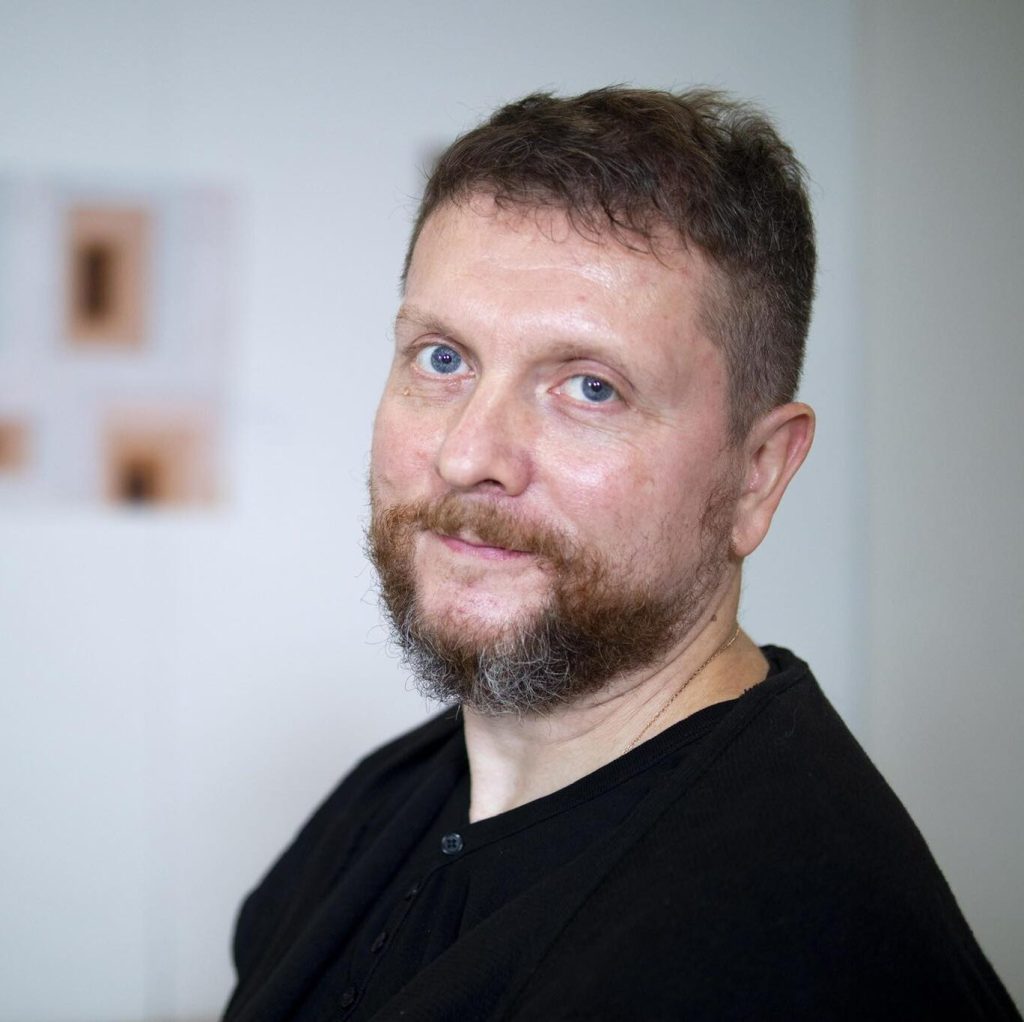
Philosopher, writer, columnist, musician.
He studies the philosophy of Friedrich Nietzsche. He is interested in philosophical anthropology and philosophy of culture. Writes short cultural essays for the Ukrainian Weekly. He plays in the band ‘Four from Polonaise’. Doctor of Philosophy. Senior Researcher at the Department of Philosophical Anthropology at the Hryhorii Skovoroda Institute of Philosophy.

The course was created for all those interested in the problem of growing populist trends in the world in order to try to understand together the main causes and prospects for overcoming populism.
10, Dobrovolchykh Batalyoniv Str., Kyiv