Kyiv, 10 Dobrovolchykh Batalyoniv Str.
OFFLINE
Kyiv, 10 Dobrovolchykh Batalyoniv Str.
OFFLINE
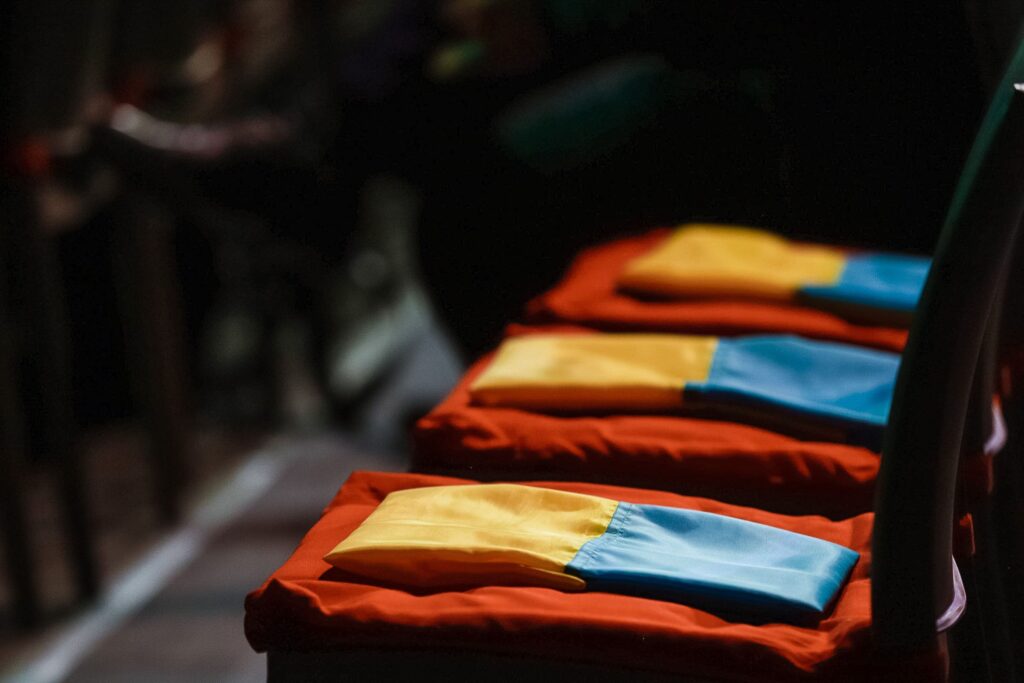 How does the influence of the past work? Why is it better not to have communism in your history than to have it? How do the traumas of the past hinder economic growth and social development? Why do Ukrainians not notice any positive changes? Are Ukrainians really the unhappiest nation on four continents? Through what mechanisms does the past determine our future?
We will analyze the impact of the complex past on the historical processes that we have witnessed firsthand.
The course at the intersection of history and sociology of memory explains how collective memory, identity, and trust work.
How does the influence of the past work? Why is it better not to have communism in your history than to have it? How do the traumas of the past hinder economic growth and social development? Why do Ukrainians not notice any positive changes? Are Ukrainians really the unhappiest nation on four continents? Through what mechanisms does the past determine our future?
We will analyze the impact of the complex past on the historical processes that we have witnessed firsthand.
The course at the intersection of history and sociology of memory explains how collective memory, identity, and trust work.
Oleksandr Zinchenko
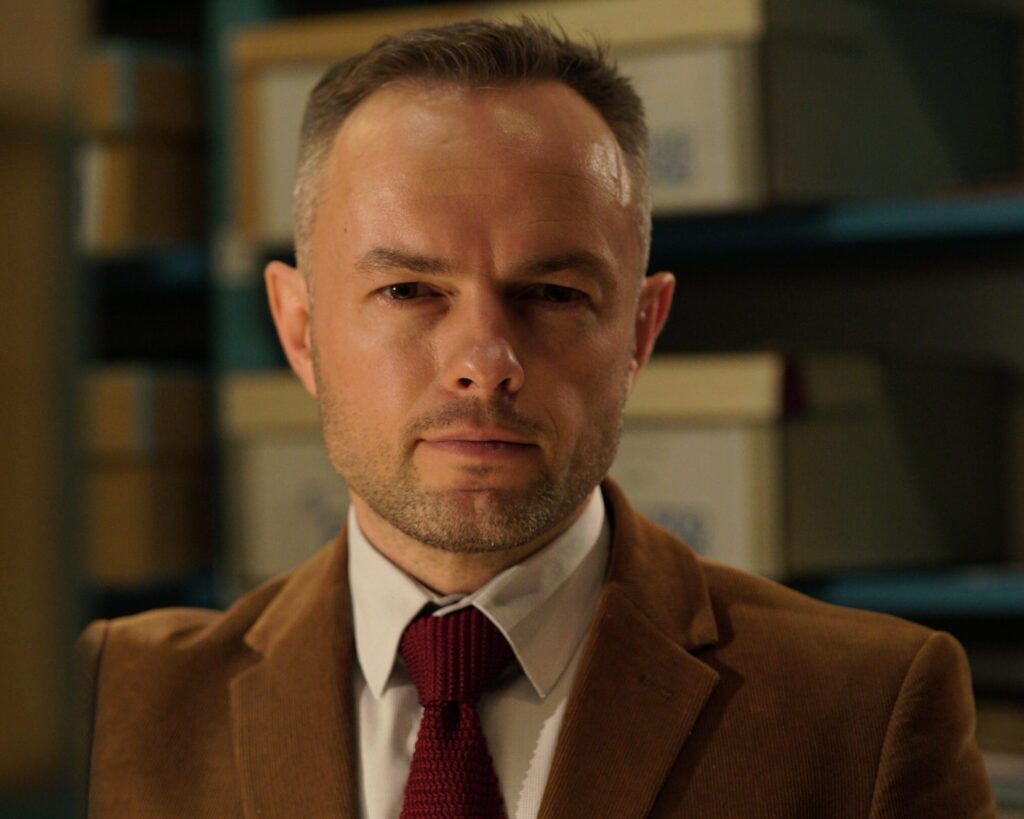
Oleksandr Zinchenko
historian, publicist, journalist, author of Public Broadcasting projects, co-founder of the most popular website about the Ukrainian past, Historical Truth, deputy director of the Institute of National Memory of Ukraine (2014-2015).
Lecture 1: Polish deer, Obama, and the collective memory of Ukrainians. How can we overcome the influence of the past and learn to transform conflicts of memory into constructive ways?
Lecture 2. Ukrainians. The unhappiest nation on four continents. Why do we not notice positive changes? In various global rankings of happiness, Ukrainians are in last place in Europe. We are in a “wonderful” company with Chad, Togo, Swaziland and Namibia, for whose residents the quality of life of Ukrainians is like that of the Swiss. What are the reasons for this situation and are there any grounds for optimism?
Lecture 3. Overcoming the trauma of Holodomor or disappearing. How does the influence of the past work in the historical shadow of disasters?
Lecture 4. The case of Beregovia: Corruption. Trust. Responsibility. Why are trust and responsibility “sold” in one bottle? How does the lack of political culture and critical thinking lead to historical mistakes? The “butterfly effect” in action.

Understand more deeply how the pull of the past works.
Find out how the past influences the formation of strategic decisions.
Discover how collective memory is constructed.
Broaden the worldview, get a new perspective on the relationship between history, present and future.
Kyiv, 10 Dobrovolchykh Batalyoniv St.