Conversations on senses

What was cultural life like in Ukraine in the 1990s and 2000s: artists and writers

FORMAT
Offline, Kyiv
10 Dobrovolchykh Batalioniv St.

SPEAKER

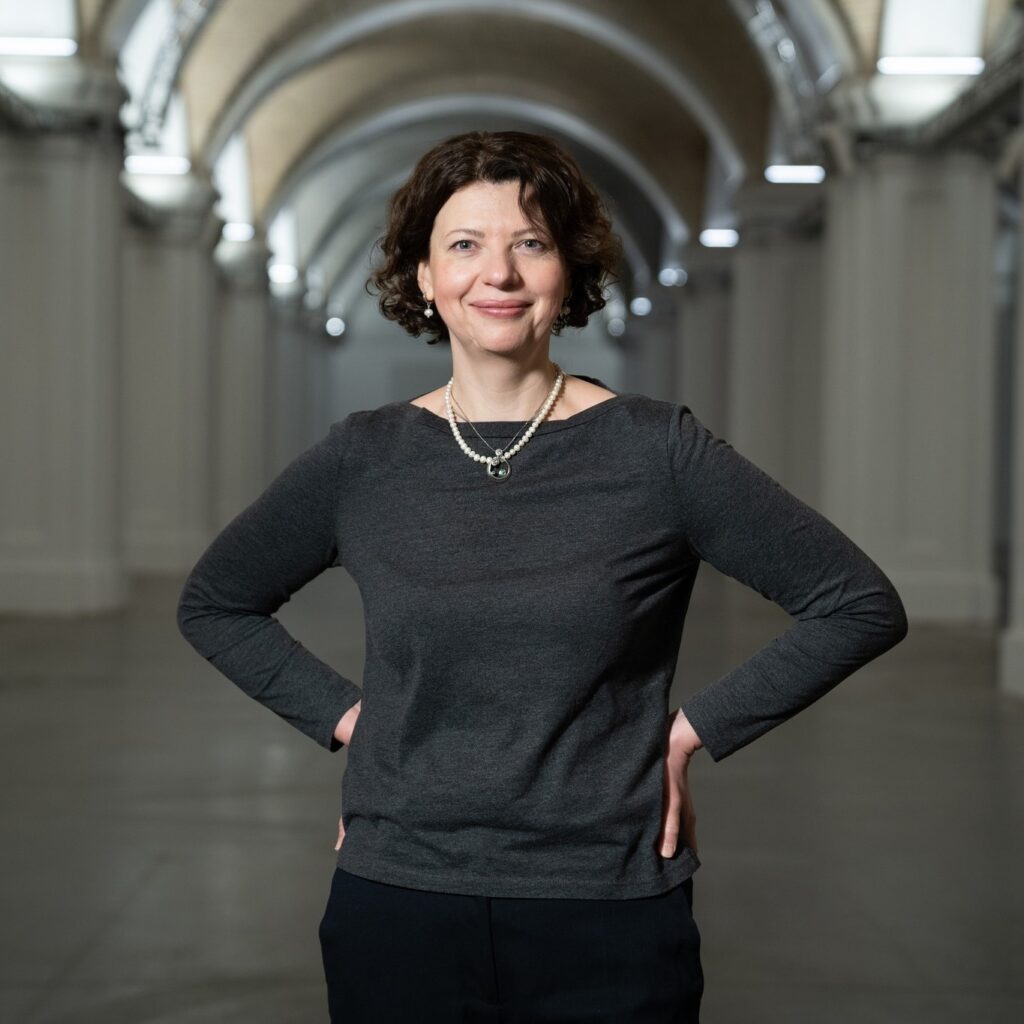
Olesya Ostrovska-Lyuta
This is a story about what happened in Ukrainian culture in previous decades and what those events say about society as a whole. How did the transition from a strictly controlled socialist realist official culture to the diversity of the first decades of independence take place? Where were the main centers of influence and why were they there? Did artists and writers communicate with each other? What role did Russian political strategists and Ukrainian politicians play? Why did Polish art institutions have and continue to have close ties with Ukrainian art? How does money influence culture? These and other topics and stories will be discussed, and the meeting itself will be less of a lecture and more of an eyewitness account.

THIS COURSE IS FOR

  • Cultural professionals
  • Artists and creative youth
  • Researchers and academic communities
  • Journalists and media professionals
  • Politicians, civil servants, and administrators in the field of culture
  • Representatives of non-governmental organizations and activists
  • Anyone interested in Ukrainian history and art.

SPEAKER

Olesya Ostrovska-Lyuta

What was cultural life like in Ukraine in the 1990s and 2000s: artists and writers

Olesya Ostrovska-Lyuta

Art manager and curator of contemporary art. Director of the State Enterprise National Cultural and Art Museum Complex “Mystetskyi Arsenal” of the State Administration of Affairs.
First Deputy Minister of Culture of Ukraine (2014). Winner of the Women In Arts Award (2019).

PROGRAM OBJECTIVES:

  1. Understanding the historical context of the era.
    Participants will understand how the cultural ecosystem changed after the collapse of the USSR, which meant the “collapse” of socialist realism, and how the cultural diversity of independence emerged.
  2. A comprehensive overview of key artistic circles.
    A picture of where the centers of cultural power were and why they became the points of formation of new artistic practices and literary groups.
  3. Familiarity with key figures and their mutual influence.
    Who was at the core of the artistic and literary circles, how they collaborated or conflicted, and how this shaped the cultural landscape.
  4. Understanding the role of politics and media in cultural processes.
    Participants will learn how Russian political strategists, Ukrainian politicians, and oligarchic media influenced cultural circles, literature, and art institutions.
  5. Explanation of how economics shapes culture.
    Participants will see how money, business, the first private foundations, patrons, and commercial galleries determined the themes, styles, and opportunities of artists and writers.
  6. Understanding the cultural traumas and freedoms of the 1990s.
    Participants will see how the traumas of the post-totalitarian experience coexisted with absolute freedom of experimentation, protest, and the search for a new aesthetic language.
  7. Knowledge about the formation of contemporary Ukrainian identity through art.
    The meeting will help to see how, in the 1990s and 2000s, the intellectual and cultural foundations of what we now call the new Ukrainian identity were laid.

We recommend this course if you want to:

  • understand how the cultural environment of independent Ukraine was formed and what influenced its development in the 1990s and 2000s;
  • realize the interrelationships between art, politics, economics, and media during the formation of statehood;
  • better understand Ukrainian writers, artists, and curators of that era, their practices, collaborations, and conflicts;
  • see history “from the inside” through the experience of an eyewitness to the cultural process;
    understand how new cultural institutions, galleries, festivals, and literary groups emerged;
  • read the mechanisms of influence of politicians and political technologists on culture and their long-term consequences;
  • see the formation of contemporary Ukrainian identity through the prism of art, literature, and social transformations;
  • be inspired by the living cultural history that became the foundation for a generation of artists and thinkers who are creating today.

THE COST OF TRAINING

10, Dobrovolchykh Batalyoniv Str., Kyiv

LEAVE YOUR APPLICATION FOR TRAINING RIGHT NOW!

    (the field is required)