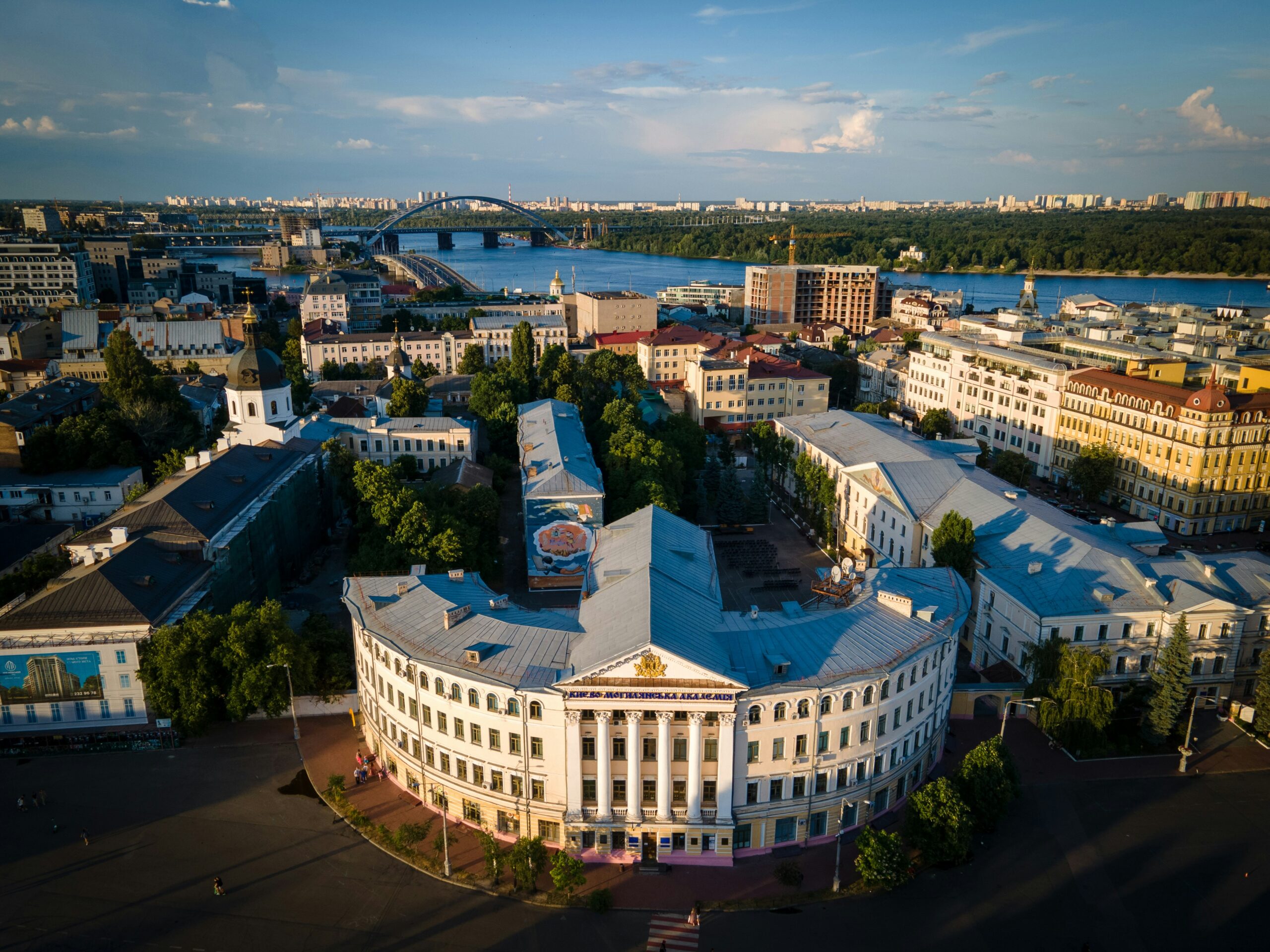
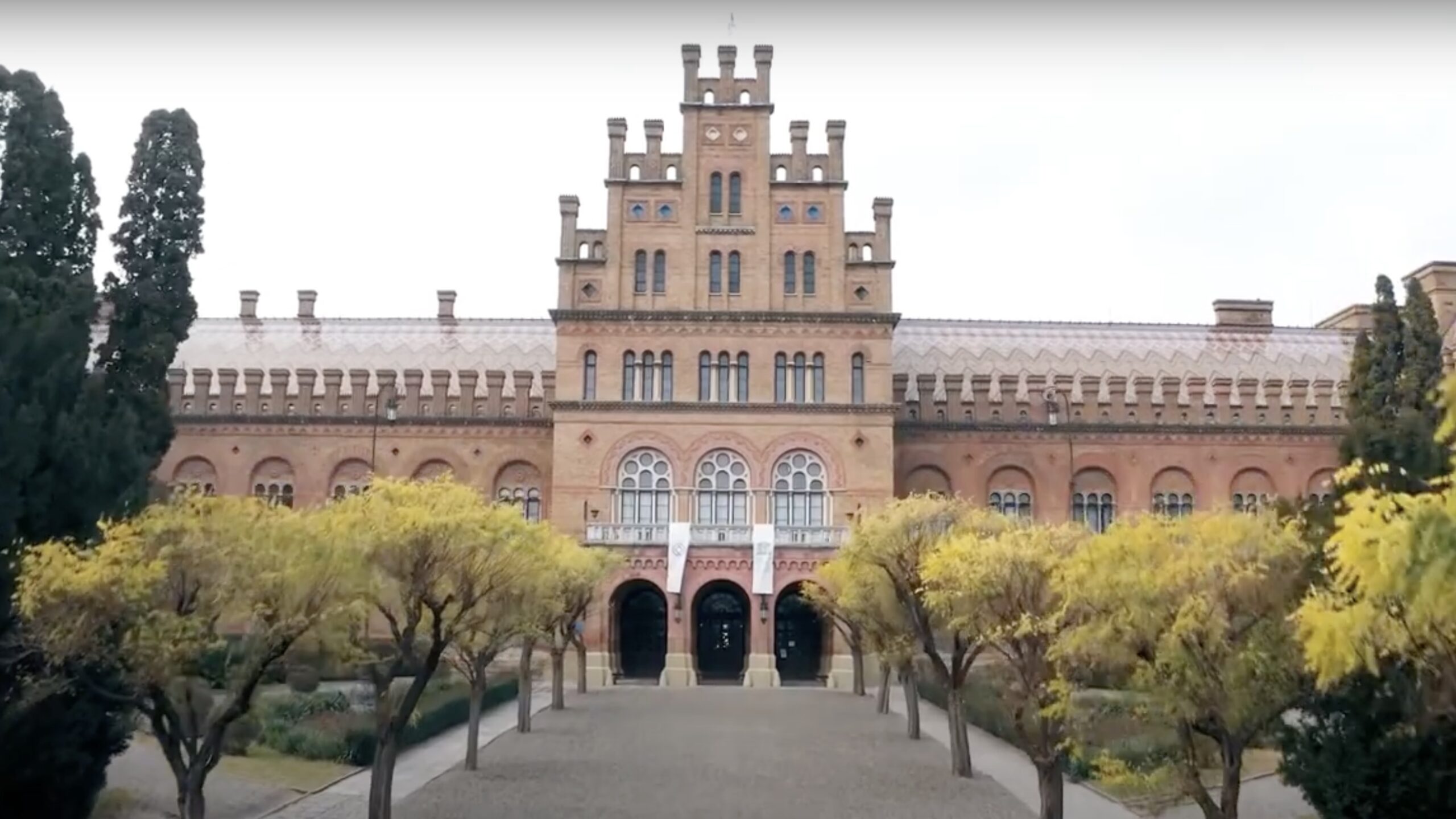
10, Dobrovolchykh Batalyoniv Str., Kyiv
Meaningful conversations
Conversations on senses in KSPA

Conversations on Senses at the KSPA is a new format of meaning-making conversations involving leading philosophers, public intellectuals, cultural critics and artists. We will talk about the cultural code, the formation of meaningful spiritual and value orientations, the cultural reproduction of the nation and the transition to a culture of harmony.
Interlocutors
Katya Taylor
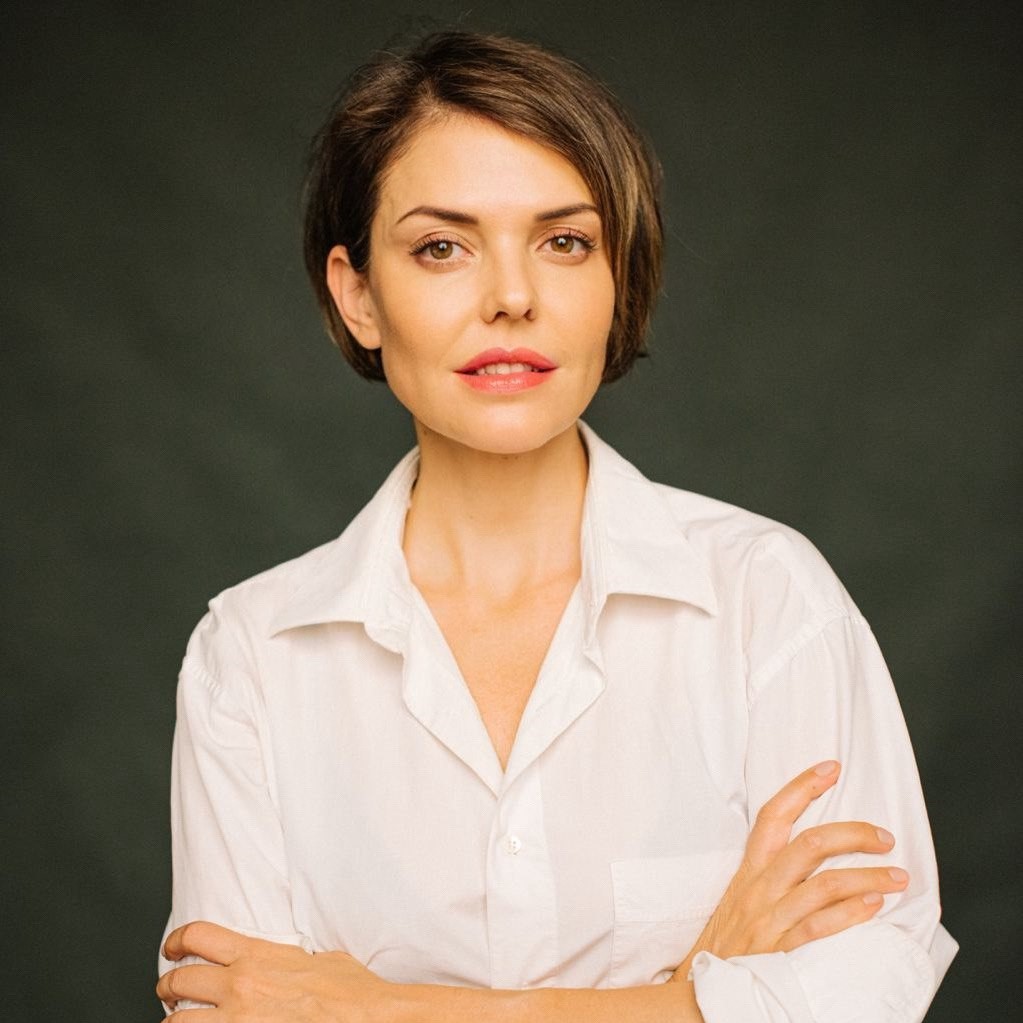
TALK 26
19 September at 18.30
TOPIC:‘The economy of ideas and creativity’
SPEAKER:Katya Taylor-curator, cultural manager, lecturer, mentor.
Freelance advisor to the Minister of Foreign Affairs of Ukraine on public diplomacy. Founder of the NGO and cultural management agency Port of Culture.
Curator of HeForShe Art Week 2018 & 2019, creator of the Women in Art Award for UN Women (Ukraine).
Author of the book Turnkey Art: Culture Management and Marketing.
She has collaborated with UNICEF, UN Women, the European Union Anti-Corruption Initiative, UNDP, USAID, Yorkshire Sculpture Park, the Ministry of Foreign Affairs of Ukraine, the British-Ukrainian Chamber of Commerce, and others. She focuses on international cooperation and the export of Ukrainian culture.
Illia Bachurin
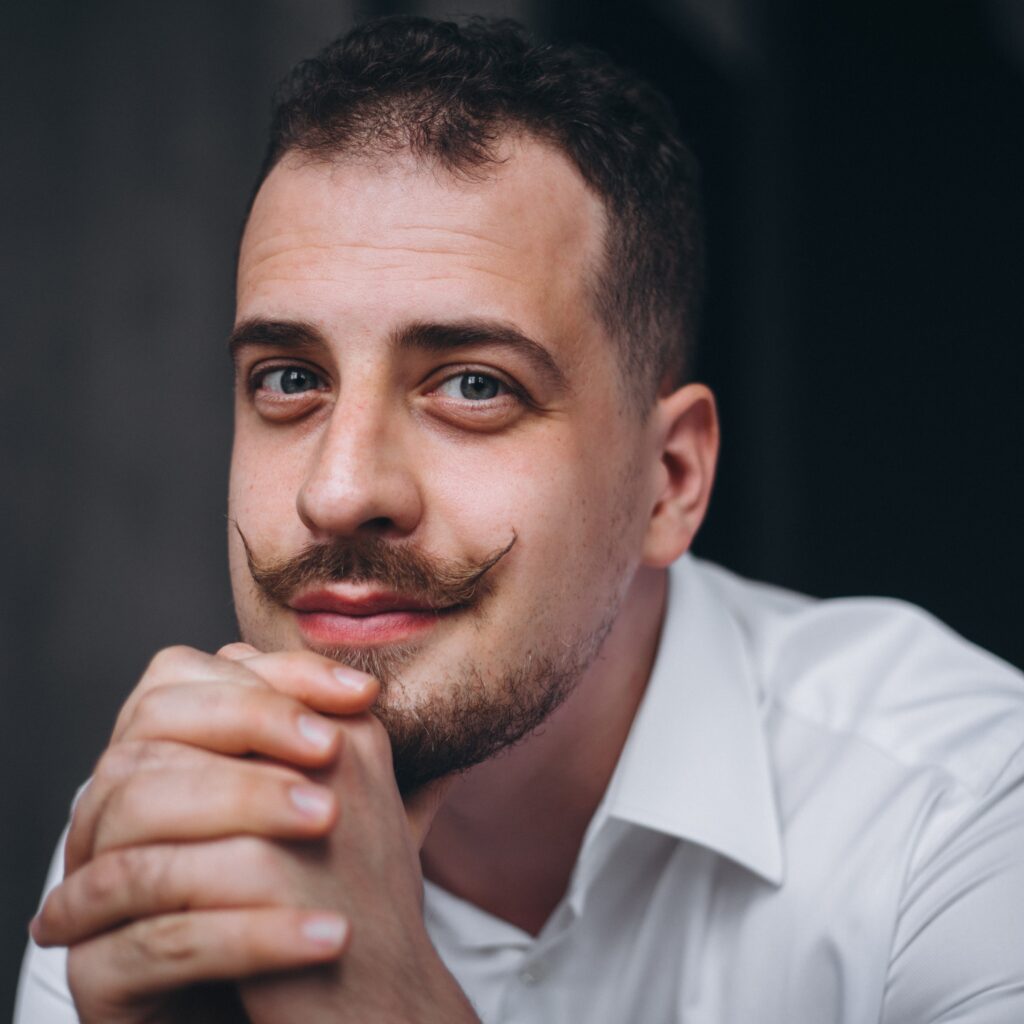
TALK 25
10 July at 18.30
TOPIC: ‘Leadership. Working with emotions and team spirit in wartime.’
SPEAKER:Illia Bachurin-social psychologist, coach and mental health consultant in over 50 companies in Ukraine and worldwide. Co-founder of Product IT Foundation for Education.
Head of wellbeing projects for organisations, co-founder of People Resilience Lab. Practising psychologist and consultant.
Natalia Pidlisna
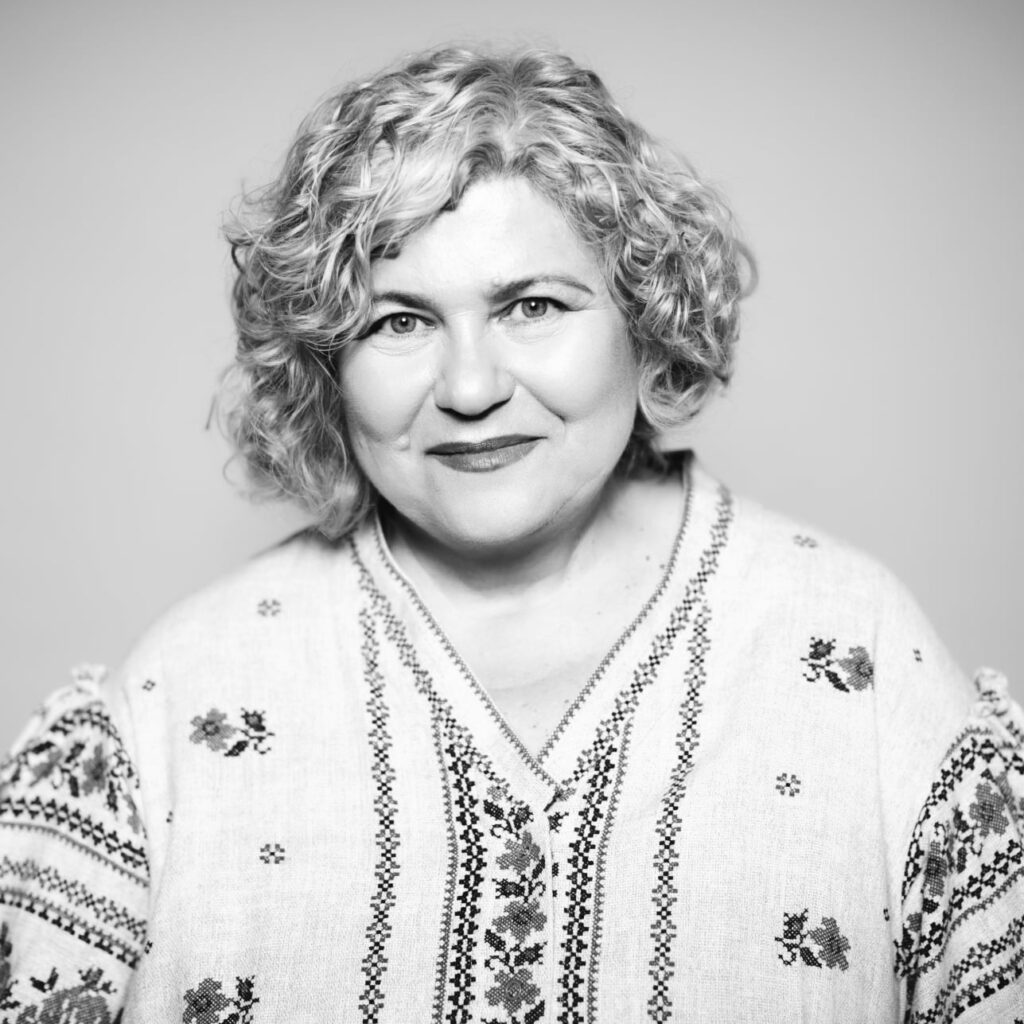
TALK 24
20 June 2025
Starting at 18.30
TOPIC: ‘Theories of changes in life and behaviour, and why they are so unbearable for us
’
SPEAKER: Natalia Pidlisna, dynamic psychologist, inspirational gardener, occasional writer, intuitive blogger.
Executives and leaders are often the first to embrace change – in themselves, in their teams, in their systems. But even with strategies, resources, and vision, transformations stall. Often, this happens due to internal resistance, fatigue, or existential crises.
This reflection explores the psychology of change, examining why we (both systems and individuals) often cling to the familiar, even if it ultimately destroys us, and what helps us navigate a period of crisis without losing ourselves – and sometimes even emerge with a new self or selves.
Ostap Ukrainets
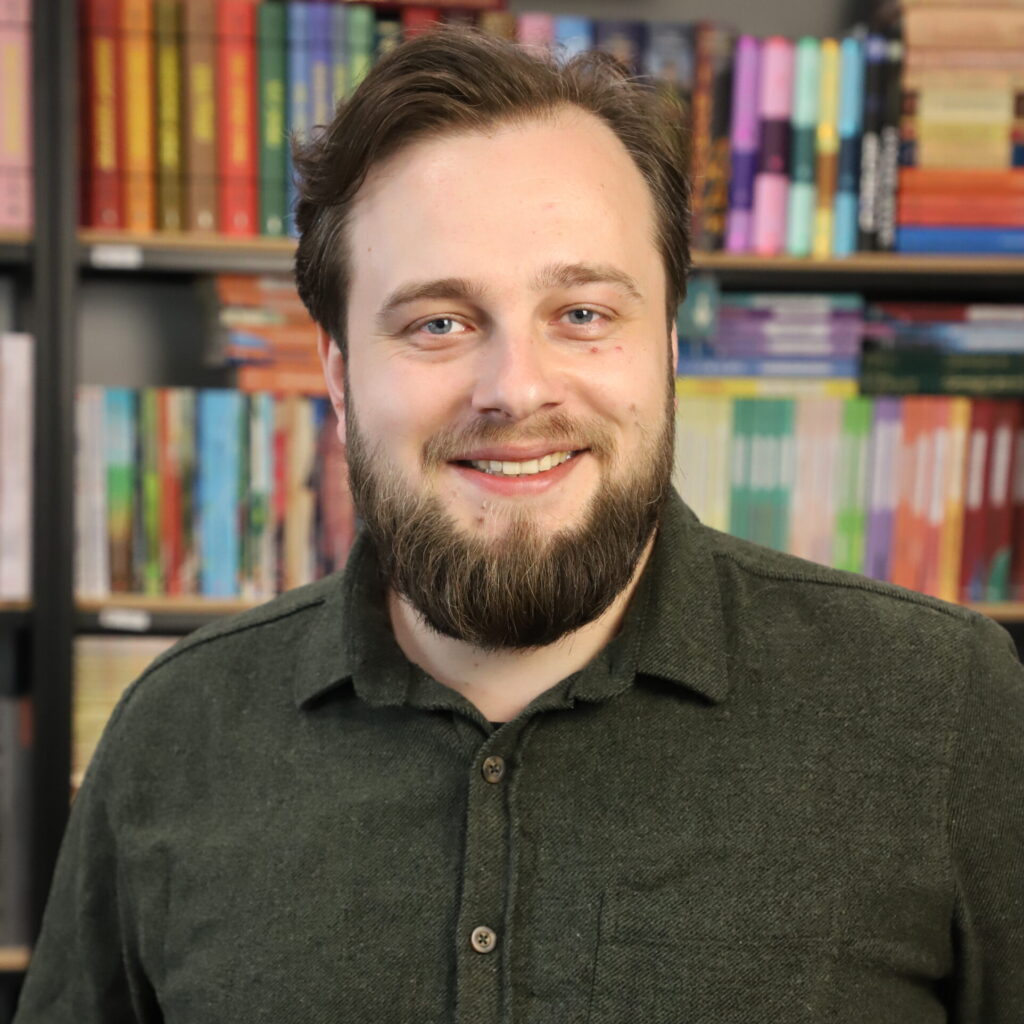
TALK 23
30 May at 18.30
TOPIC: ‘Traditions of military culture and the image of the defender’
SPEAKER: Ostap Ukrainets is a writer, literary critic, and representative of the Cultural Forces platform.
Transcending the boundaries of the known, encountering the wild and inhuman, overcoming threats and protecting one’s community are among the oldest motives in culture and art. Conflict accompanies all human existence, so reflections on the nature of conflict and fantasies about a universal, invincible protector have also been part of culture and art since ancient times. In this lecture, we will try to figure out how real needs shape the imaginary heroes of human communities from the Stone Age to the present day, and how we fit the physical feats of real people into the imaginary matrix of the ‘heroic.’
Pavlo Makov
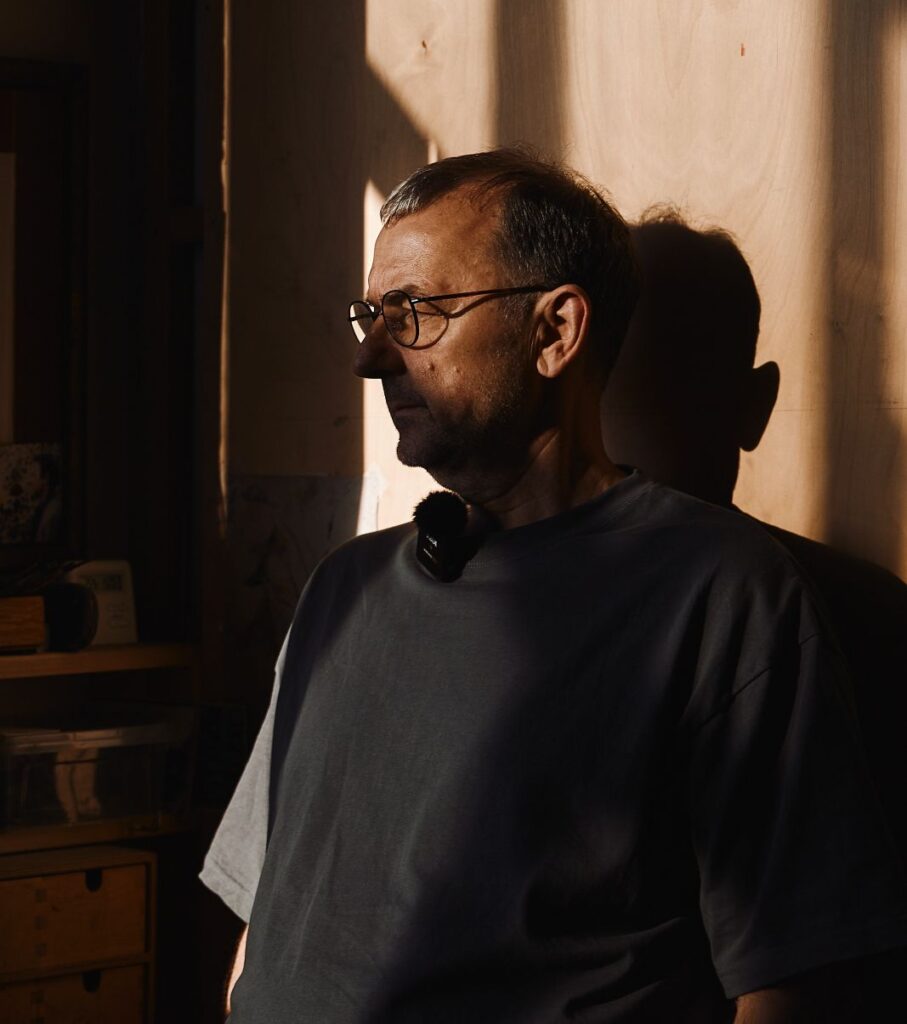
TALK 22
14 May at 18.30
TOPIC: ‘Place, Garden, Abracadabra’
SPEAKER: Pavlo Makov is a renowned Ukrainian artist and winner of the Taras Shevchenko National Prize of Ukraine. His works are exhibited in leading museums around the world, including the Victoria and Albert Museum (London), the Metropolitan Museum of Art (New York), the Centre for Contemporary Art (Osaka), the National Gallery of Art (Washington) and others. In 2022, Pavlo Makov represented Ukraine at the 59th Venice Biennale with the project ‘Fountain of Exhaustion. High Water’
This meeting is for those who are looking for answers to the main questions: who we are, where our strength comes from, and what sense we bring to the world after this war.
Viktor Pynzenyk
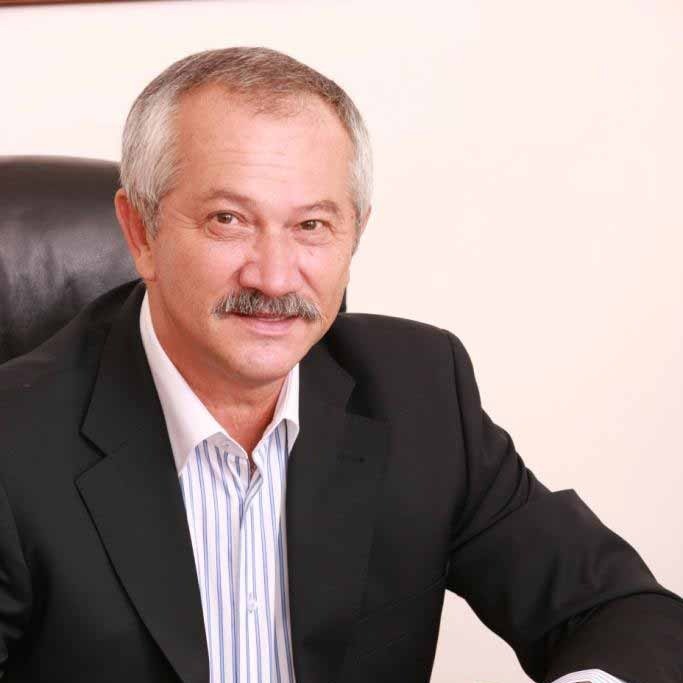
TALK 21
25 April at 18.30
TOPIC: ‘‘Lecture-discussion ‘Ukrainian economy under martial law: current challenges and prospects’
SPEAKER: Viktor Pynzenyk, Ukrainian politician and economist. Minister of Finance and Deputy Prime Minister of several governments of Ukraine. Member of Parliament of Ukraine of the 1st, 2nd, 3rd, 4th, 6th, 7th, 8th convocations.
Participants will have the opportunity to understand the state of the wartime economy and the challenges ahead. This lecture-discussion will update the decisions that shape economic stability today and identify potential opportunities for business and economic development.
Mykola Kapitonenko
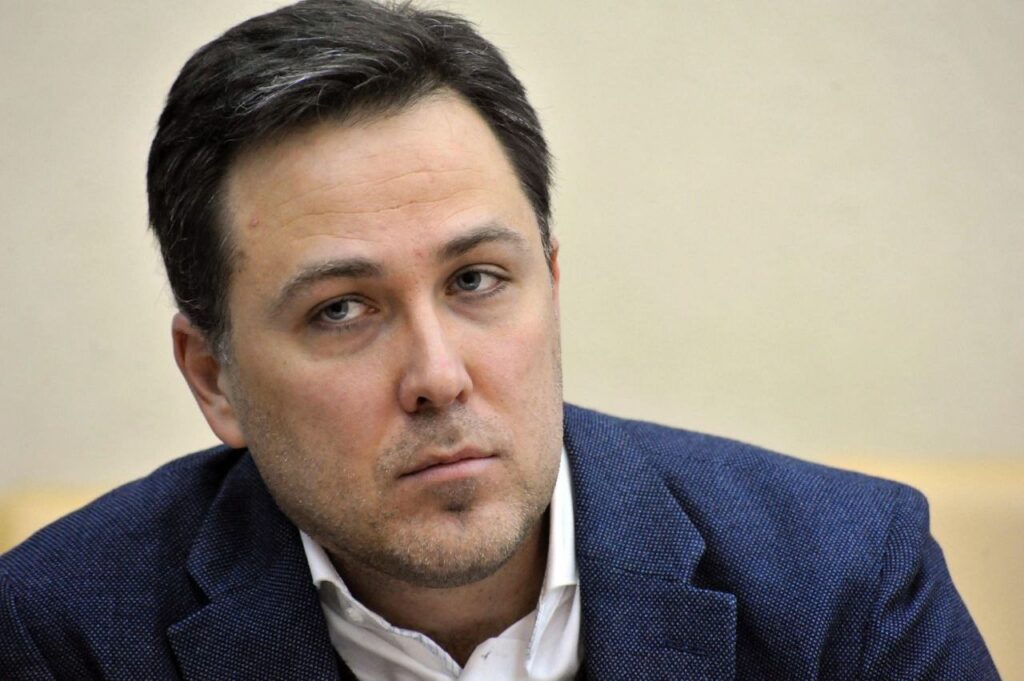
TALK 20
24 April at 18.30
TOPIC: ‘Great powers in the realities of a bipolar world’
SPEAKER: Mykola Kapitonenko
Candidate of Political Sciences, Associate Professor, specialist in the field of conflictology and negotiation theory; history of international relations; current issues of Ukraine’s foreign policy; theory of international relations.
This is a lecture-discussion on what is POWER in the modern world, what makes a state GREAT, and what are the peculiarities of a world where there are two SUPERSTATES.
Oleksandr Khara
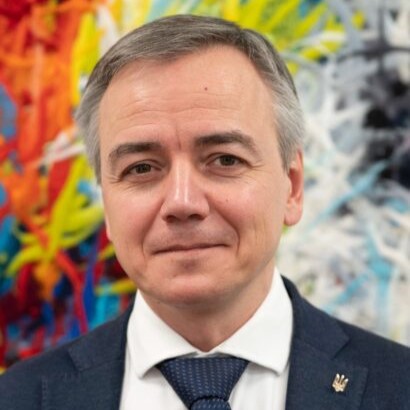
TALK 19
17 April at 18.30
TOPIC: ‘The United States: the system of foreign policy decision-making. Trump’s America’
SPEAKER: Oleksandr Khara
Executive Director of the Centre for Defence Strategies, diplomat, Advisor to the Minister of Defence of Ukraine (2020), expert of the Maidan of Foreign Affairs think tank, Deputy Director of the Department of the NSDC Secretariat (2008-11), State Expert of the NSDC (2006-08), member of the Embassy of Ukraine in Canada and the Ministry of Foreign Affairs of Ukraine (2000-06)
The lecture-discussion not only explains the traditional system of foreign policy decision-making in the United States, but also demonstrates how the Donald Trump administration has changed the established approaches. The audience will see the contrast between institutional stability and the chaotic decision-making style that has become Trump’s hallmark.
Yehor Perelyhin
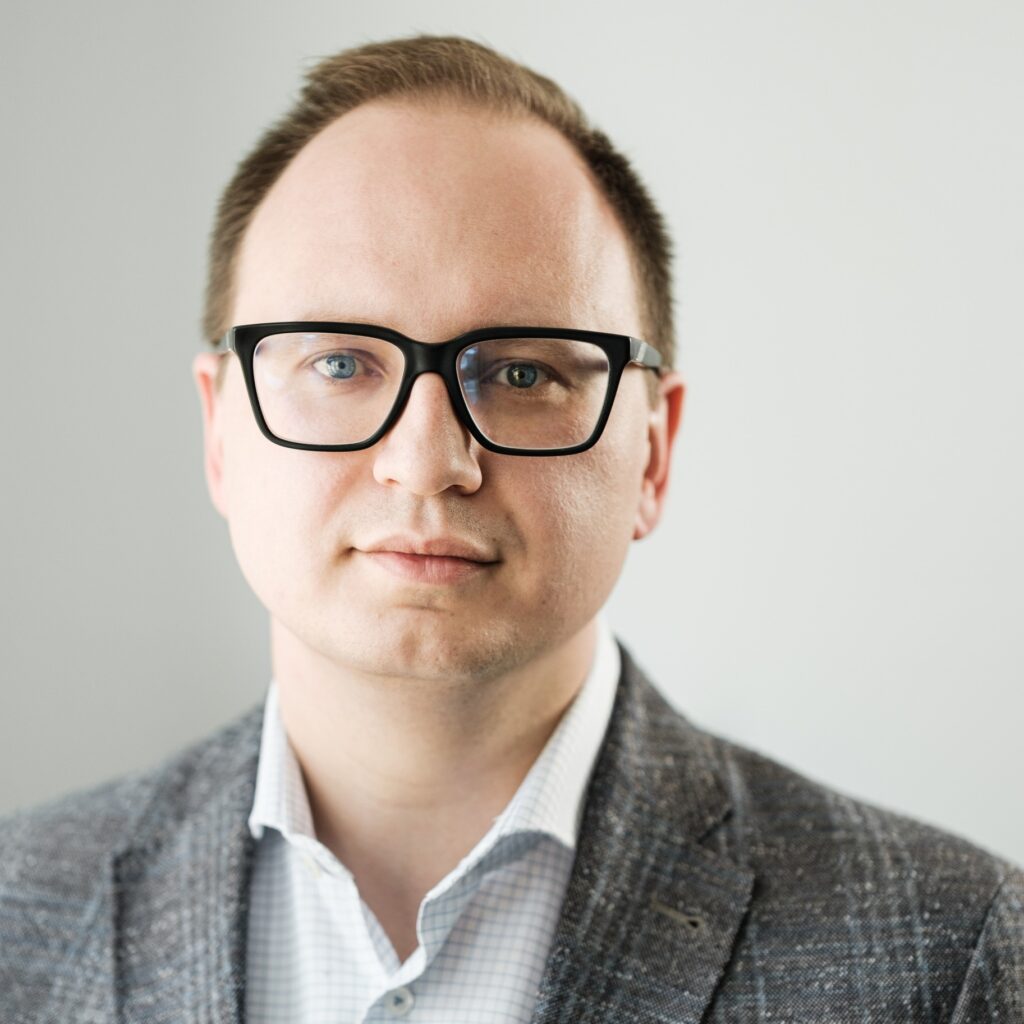
TALK 18
4 April at 18.30
TOPIC: ‘Critical minerals: geopolitics, the struggle for global supply chains and today’s realities for Ukraine’
SPEAKER: Yehor Perelyhin
Ukrainian top manager, expert in the field of critical minerals mining and processing.
From January 2021 to January 2025, he worked in the Ukrainian titanium industry. He was twice appointed by the Cabinet of Ministers of Ukraine as the head of UMCC in the status of acting Chairman of the Board. In 2021, he led the company to a record EBITDA. He has gone through the entire privatisation process and managed to lead the company through the most difficult times of war and turbulence, completely rebuilding the logistics and adapting the business model to new realities.
Control over global supply chains determines economic security and geopolitical balance. States and corporations are fighting fiercely to control their production and supply, as these resources determine technological leadership, defence capability and economic independence.
Natalia Rola
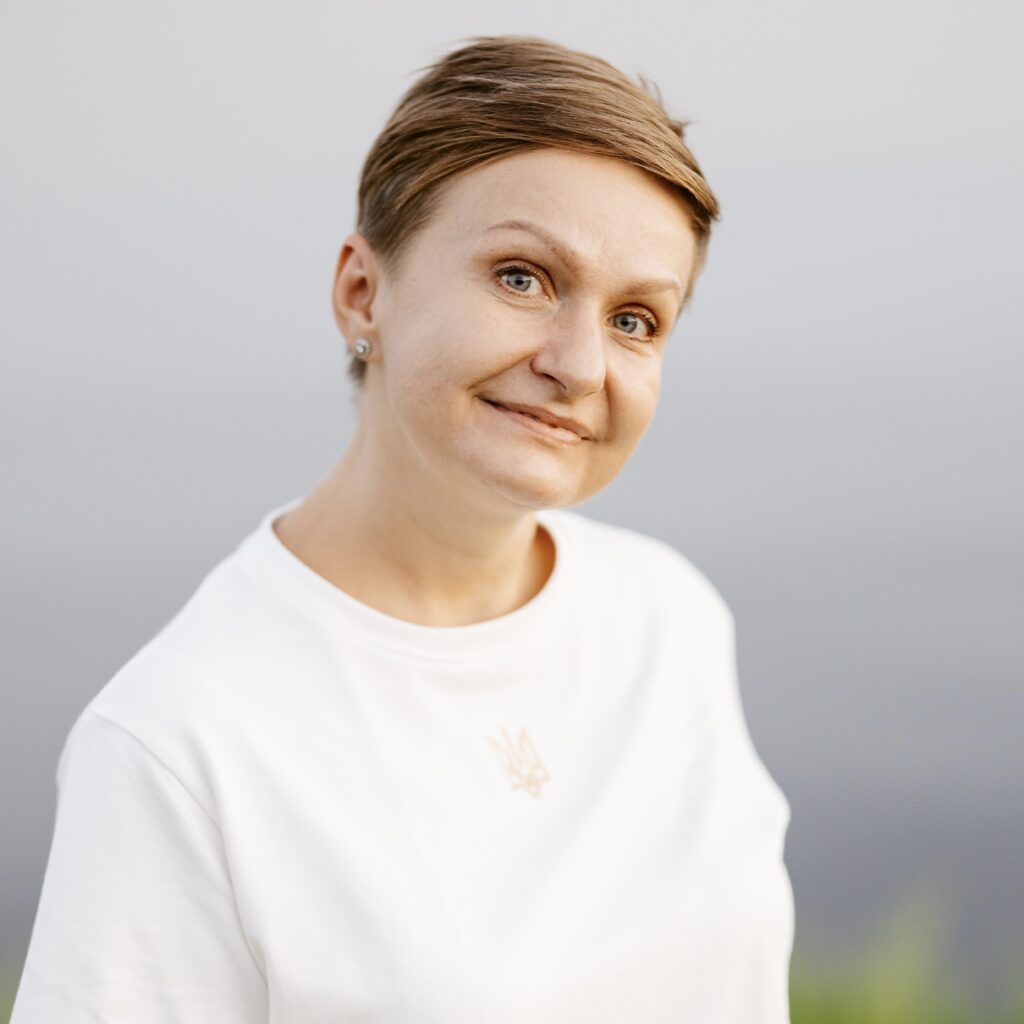
TALK 17
21 March at 18.00
TOPIC: ‘Creative writing: how to write interestingly, without templates and stereotypes. Where to get ideas and inspiration?’
SPEAKER: Natalia Rola is a strategic communications consultant with over 22 years of experience. She has worked in IT,
FMCG, pharmaceutical business, B2B, and public sector.
She is a copywriter. PR manager.
Co-founder of the mental health recovery project PRO Retreats, speaker,
author of the novel The Oatmeal Apple.
Is it possible to write something truly original when it seems that all the ideas have already been invented and the stories told? Creative writing is about texts that remain in the memory, evoke emotions and are memorable.
This workshop is about courage in writing, about ideas that seem impossible, and about how to make a text truly original and interesting.
We’ll look at creative writing techniques and bust the myth that creativity is an innate talent and cannot be learned. We’ll figure out how to avoid the traps of templates and clichés and where to find ideas. How to work with your inner critic.
Yevhen Magda
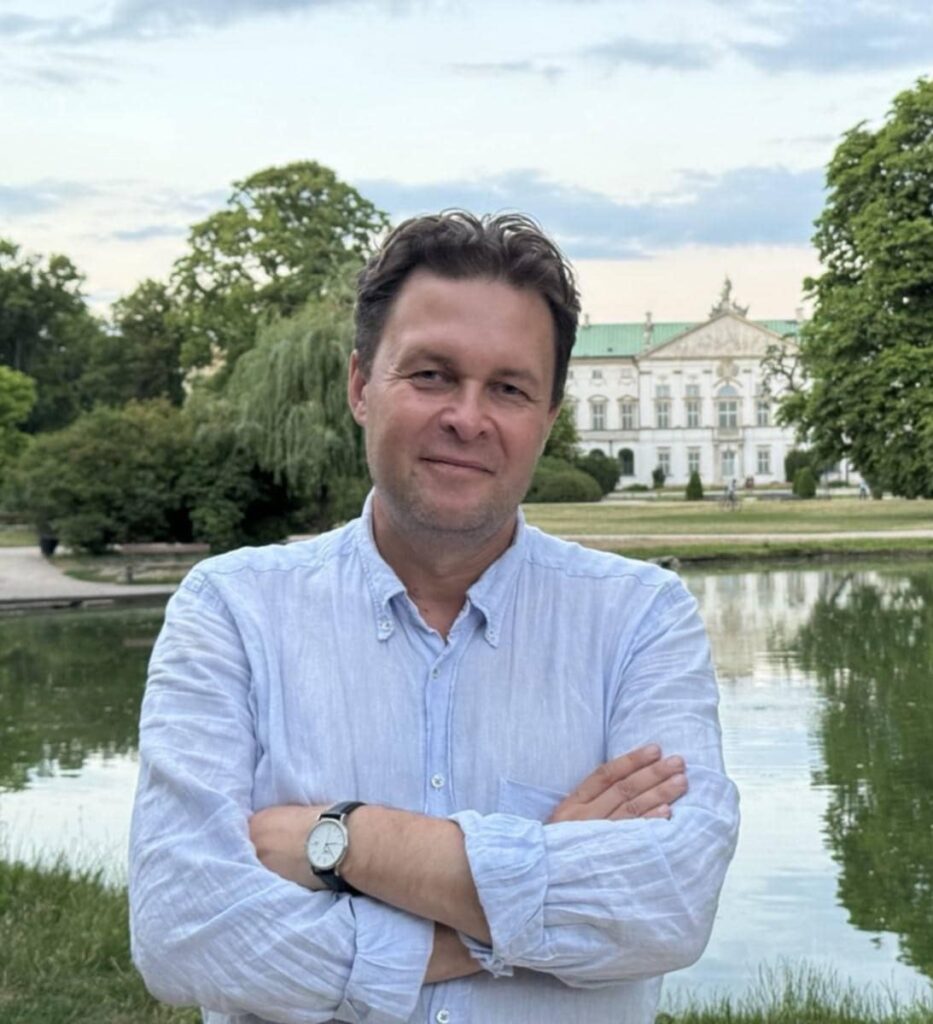
TALK 16
17 January at 18.00
TOPIC: “Anxious Spring 2025”
SPEAKER: Yevhen Magda
Ukrainian political scientist, historian, journalist, director of the Institute of World Policy.
The analytical lecture-discussion is dedicated to forecasting important events that may affect Ukraine and the world in the coming months.
This event will provide participants with an opportunity to discuss the most important aspects of global processes that affect the future of the country, learn about potential risks and threats, and understand the prospects. Should we expect new challenges on the eastern borders? What will the economic climate be like in the country amid global turbulence? What scenarios can help minimise risks for the state?
Participants will get insights and recommendations on how to anticipate and adapt to future changes.
Oleksiy Sokyrko

TALK 15
20 December at 18.30
TOPIC: ‘Cossack Atlantis. Why and how did the Hetmanate disappear from the political map of Europe? Why did the Cossacks fail and will we succeed?’
SPEAKER: Oleksiy Sokyrko is a historian, publicist, lecturer, PhD in History, Associate Professor at the Faculty of History of Taras Shevchenko National University of Kyiv, member of the Ukrainian Society for Eighteenth-Century Studies (USECS), Balkan Historical Association (BHA). His research focuses on the military and political history of Ukraine and Central and Eastern Europe in the seventeenth and eighteenth centuries, as well as the history of everyday life. He is the author of the books: ‘Knights of the Second Class: The Hired Army of the Left Bank Hetmanate, 1669-1726’ (2006), ’Triumph in the Time of Ruin. The Battle of Konotop in 1659’ (2008), ’Ukrainian Rubicon. The Battle of Poltava on 27 June 1709’ (2009), ’On Guard of the Mace. The Court Troops of the Ukrainian Hetmans of the Middle of the XVII – Second Half of the XVIII Century’ (2018), ’Culinary Journey to the Hetmanate: Secrets and Mysteries of Old Ukrainian Cuisine of the Mid-17th – 18th Centuries’ (2021), and numerous media appearances.
The Hetmanate, or Ukrainian Cossack state, was and remains, without a doubt, one of the brightest pages of our history. Paradoxically, having been created by a military caste as a result of the great Cossack uprising and structured for the needs of war, the Cossack state eventually disappeared from the political map of Europe. This fact is usually explained by the malicious intentions of neighbours and an unfortunate coincidence of geopolitical circumstances. However, is this true? To what extent was the fate of the Hetmanate influenced by its internal problems and what were they? Why did other European neighbours, with fewer or the same resources, remain ‘afloat’? Did the loss of subjectivity of the Cossack state mean the ‘end of history’?
Viktor Dosenko
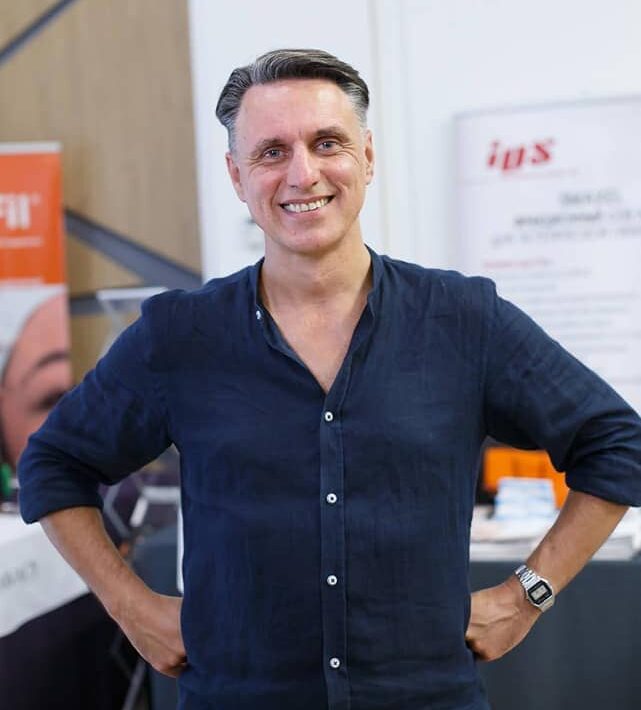
TALK 14
December 6 at 18.30
TOPIC: “Brain under the microscope: where are consciousness, will, and virtues?”
SPEAKER: Viktor Dosenko,
MD, PhD, Professor, Laureate of the State Prize in Science and Technology, Head of the Department of General and Molecular Pathophysiology at the Bogomolets Institute of Physiology of the National Academy of Sciences of Ukraine, Professor at the Kyiv Academic University, Head of the Development and Innovation Department of the CSD LAB Medical Laboratory.
Have scientists figured out what consciousness is and where it is hidden in our brains? Or maybe it’s not just in our nervous system – animals have it too? The lecture also discusses freedom and unfreedom of will: where is it, what parts of the brain give us inspiration and intention, and can we influence it? Is the noble knight’s brain just a beautiful expression, or is it filled with molecular genetic meaning?
Volodymyr Shelukhin
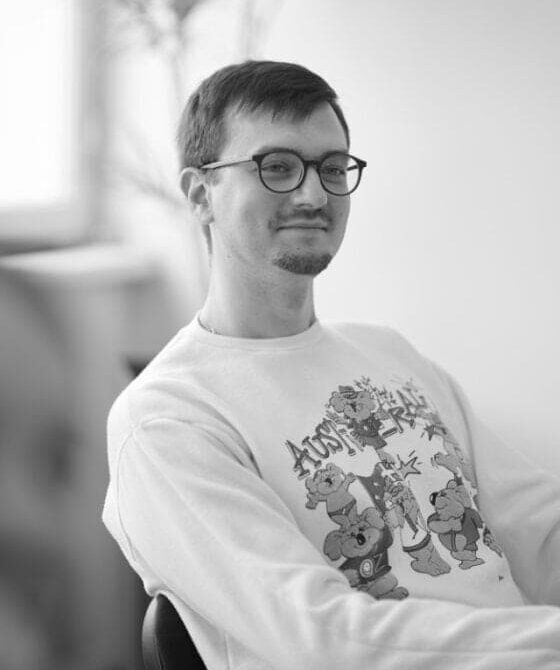
TALK 13
November 29 at 18.30
TOPIC: “Our Answer to Chamberlain: Racial “Theories” of the XIX-XX Centuries through the Eyes of Ukrainian Intellectuals”
SPEAKER: Volodymyr Shelukhin – sociologist, PhD in Sociology, Lecturer at the Faculty of Sociology at Taras Shevchenko National University of Kyiv and the Locus educational project, Guest Professor at Kyiv Mohyla Business School.
He has taught courses on the social structure of society, socio-political studies, welfare policy, and cultural studies.
Today, racial “theories” are considered unscientific. But at the time of their emergence in the nineteenth century, they were associated with positive science and its most recent achievements. Racial “theorists” used the ideas of leading researchers in the natural sciences and humanities, from Darwin’s evolutionary theory to Mueller’s comparative studies of religion. “Scientific racism” was the essence of science in the late nineteenth century.
Illia Neskhodovskyi
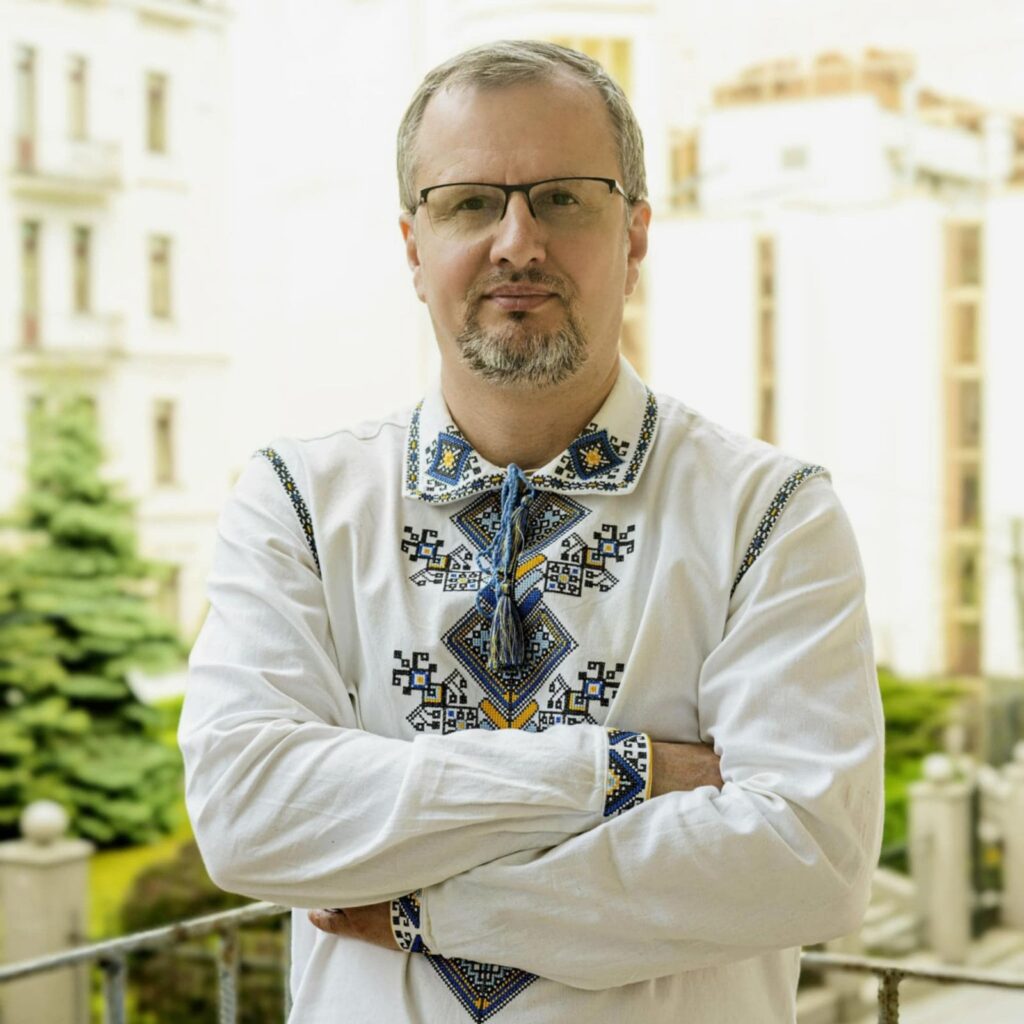
TALK 12
November 28 at 19.00
TOPIC: “Tax innovations: how to fill the budget for the army and not kill economic
SPEAKER: Illia Neskhodovskyi, head of the Analytical Department of the ANTS Network, PhD in Economics, Associate Professor, Freelance Advisor to the Verkhovna Rada Committee on Finance, Taxation and Customs Policy and the Verkhovna Rada Committee on Economic Development.
Chief expert of the tax and economic groups of the Reanimation Package of Reforms 2014-2019.
This meeting is dedicated to discussing tax innovations in wartime. The key topics are balancing the need to increase budget revenues to finance defense needs and reducing the negative impact on business activity. The expert will analyze tax innovations, conduct a comparative analysis, their impact on the business environment, as well as other strategies that allow filling the budget and not reducing economic activity.
Orysia Demska
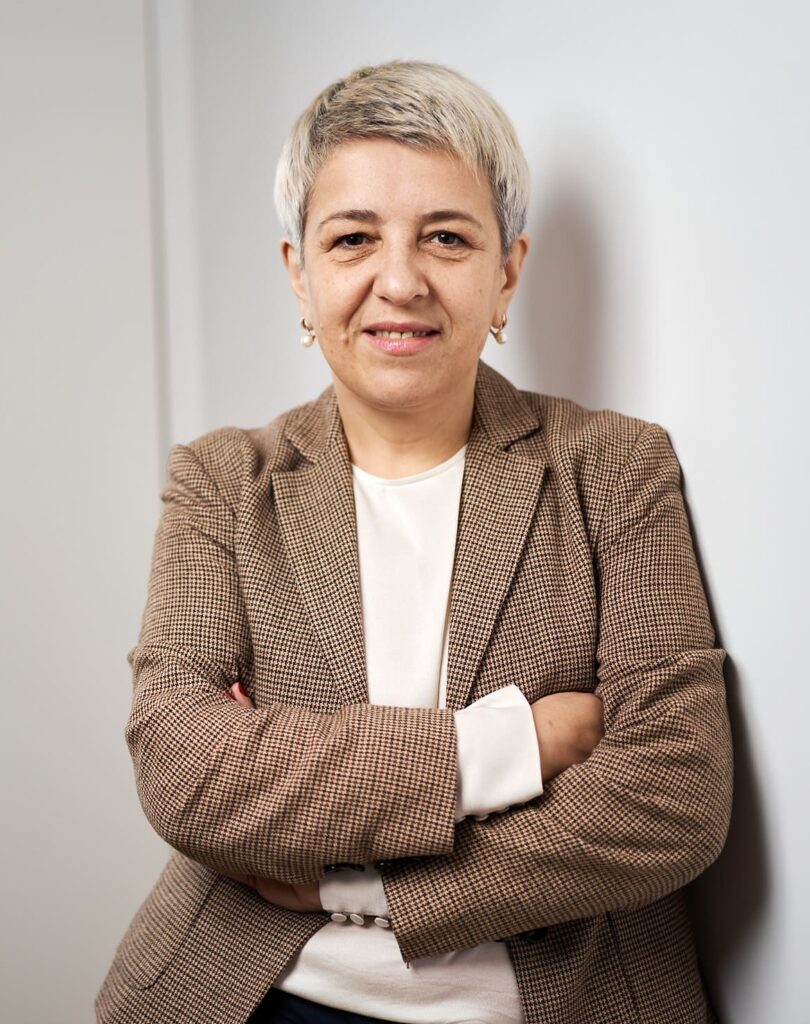
TALK 11
November 22 at 18.30
TOPIC: “Does language change the smell of flowers? How history affects people through texts”
SPEAKER: Orysia Demska – Ukrainian linguist, Doctor of Philology, professor, organizer and first chair of the National Commission on State Language Standards (February 2020 – February 9, 2022), member of the Commission on Names of the Kyiv City State Administration, co-founder of the “Kaniv Ateneum” platform, professor at the National Academy of the Security Service of Ukraine
An intellectual and emotional story about how texts influence people; how we depend on the texts in which we live; how language, with the help of word-texts, creates a world in which people, animals, plants, objects, sounds, smells… give birth to the harmony of life, or destroy this life.
This meeting will be a place where language acquires new dimensions of influence on life and interaction with the world around us, offering participants to rethink their perception of texts and their role in life.
Sergey Chaplygin
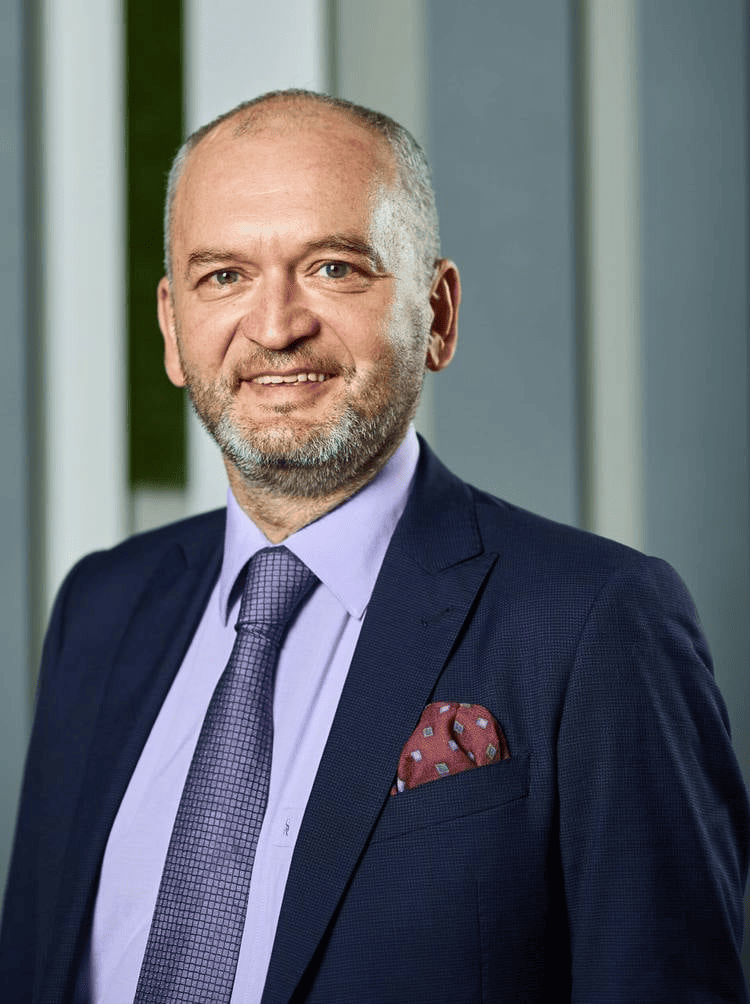
TALK 10
November 15 at 18.00
TOPIC: “”Disenchantment” of the world and the evolution of societies”
SPEAKER: Sergey Chaplygin, philosopher, historian of religion.
“Entzauberung der Welt“ (”Disenchantment of the World”) is the concept of German sociologist Max Weber about the processes of secularization and demythologization of social life, which marked not only a turn in the history of European thought in the modern era, but also civilizational and anthropological shifts in history.
We will explore the causes of civilizational shifts and the evolution of societies, find the underlying social meanings, and draw parallels to contemporary social engineering.
Rostyslav Semkiv
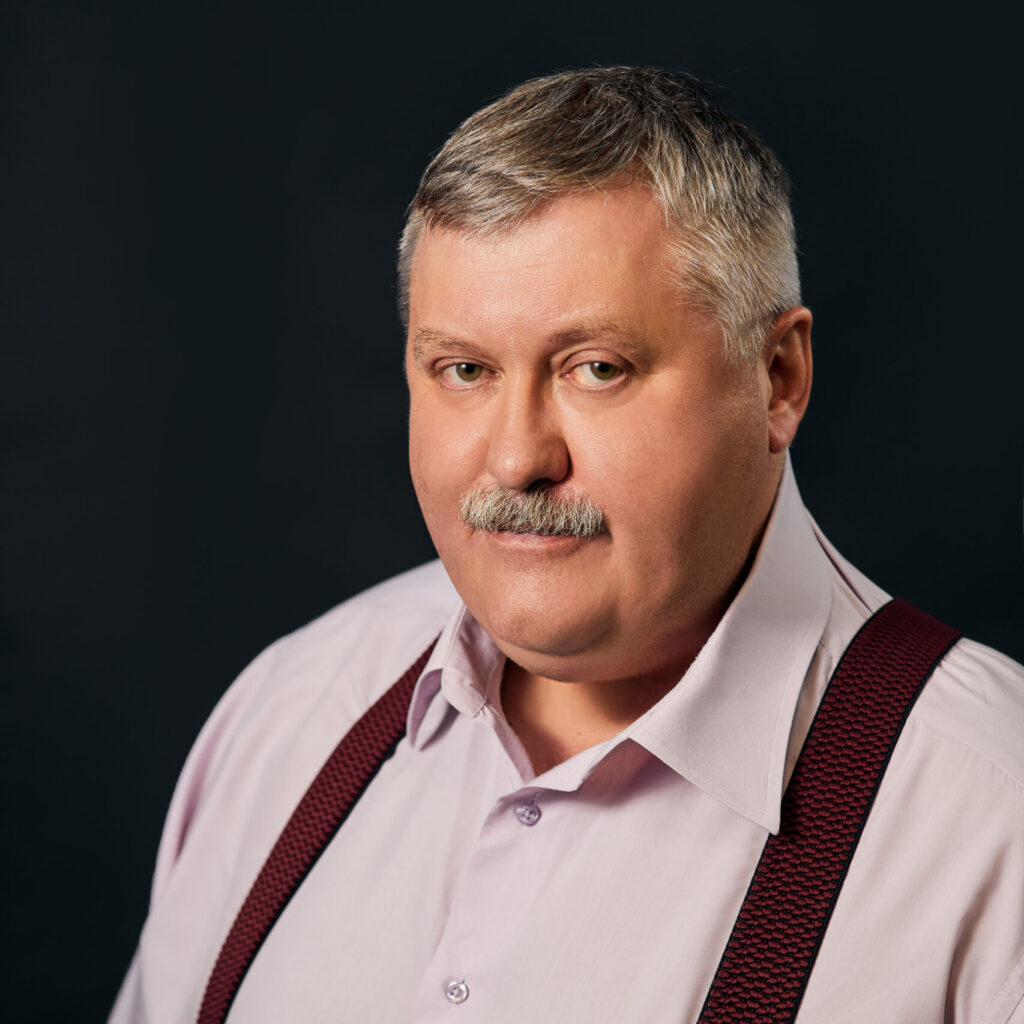
TALK 9
October 11 at 19:00
TOPIC: “10 WRITERS WHO BECAME POLITICIANS”
SPEAKER: Rostyslav Semkiv, associate Professor at the Department of Literary Studies at the National University of Kyiv-Mohyla Academy, Director of the publishing house ‘Smoloskyp’, author of the books ‘How the Classics Wrote’, ‘How to Read the Classics’, ‘Adventures of Ukrainian Literature’.
Ten figures from the lecture—ranging from the Roman consul Marcus Tullius Cicero to the President of the Czech Republic Václav Havel—distinguished themselves in various ways as statesmen and literary figures. However, they left their mark in history in both spheres of activity.
Oleksandr Pustovit

TALK 8
October 4 at 19.00
TOPIC: “INFINITY: MATHEMATICS, THEOLOGY, POETRY, MUSIC, PAINTING”
SPEAKER: Oleksandr Pustovit, сultural scholar, musician, lecturer, PhD in Physics and Mathematics, winner of the All-Ukrainian Lecture Contest
How does the infinity and synergy of the whole and the parts manifest themselves? What do mathematics, theology, poetry, music, and painting have in common? Is it possible to understand the world through the categories of infinity, the whole, and parts? Is there any sacred knowledge here?
Let’s try to answer these questions by turning to the category of INFINITY, one of the most meaningful philosophical categories of European culture.
Kateryna Holzberg
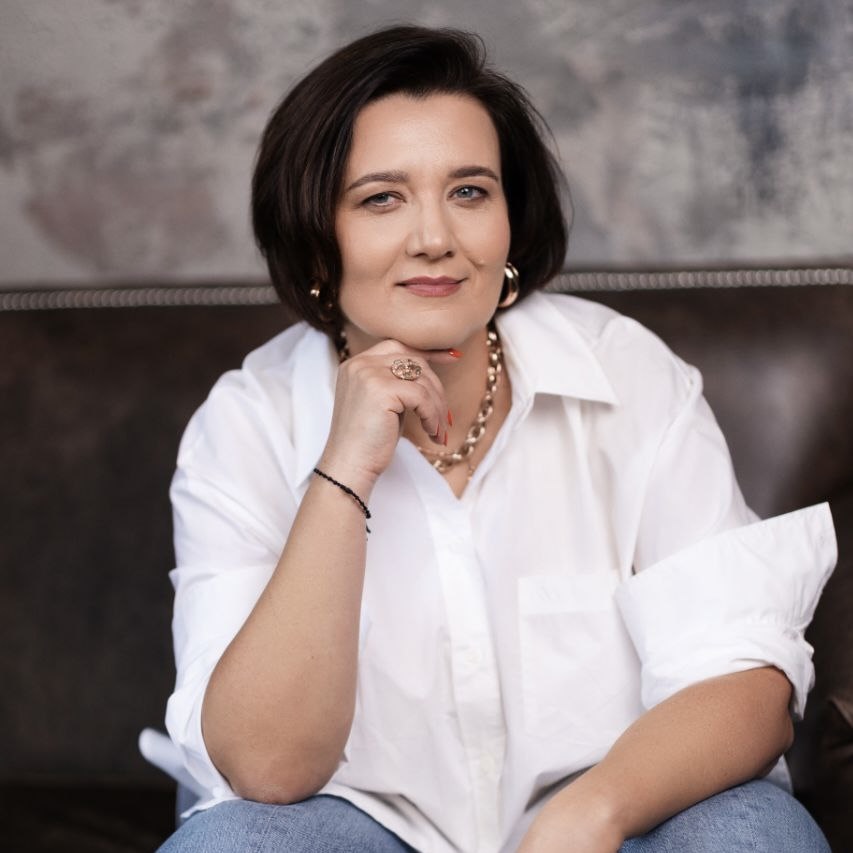
TALK 7
September 27 at 18:00
TOPIC: “THE PRESUMPTION OF NORMALCY. HOW TO BE FLEXIBLE AND NOT BREAK DOWN IN TIMES OF UNCERTAINTY?”
SPEAKER: Kateryna Holzberg,
psychologist
This conversation is aimed at finding support in ourselves in times of crisis and uncertainty. Every conscious person should be aware of the markers of crisis, the “normality” of mental states; how to maintain awareness in times of uncertainty and chaotic change; how to plan for the long term when the future horizon is so unpredictable?
Myroslav Dochynets
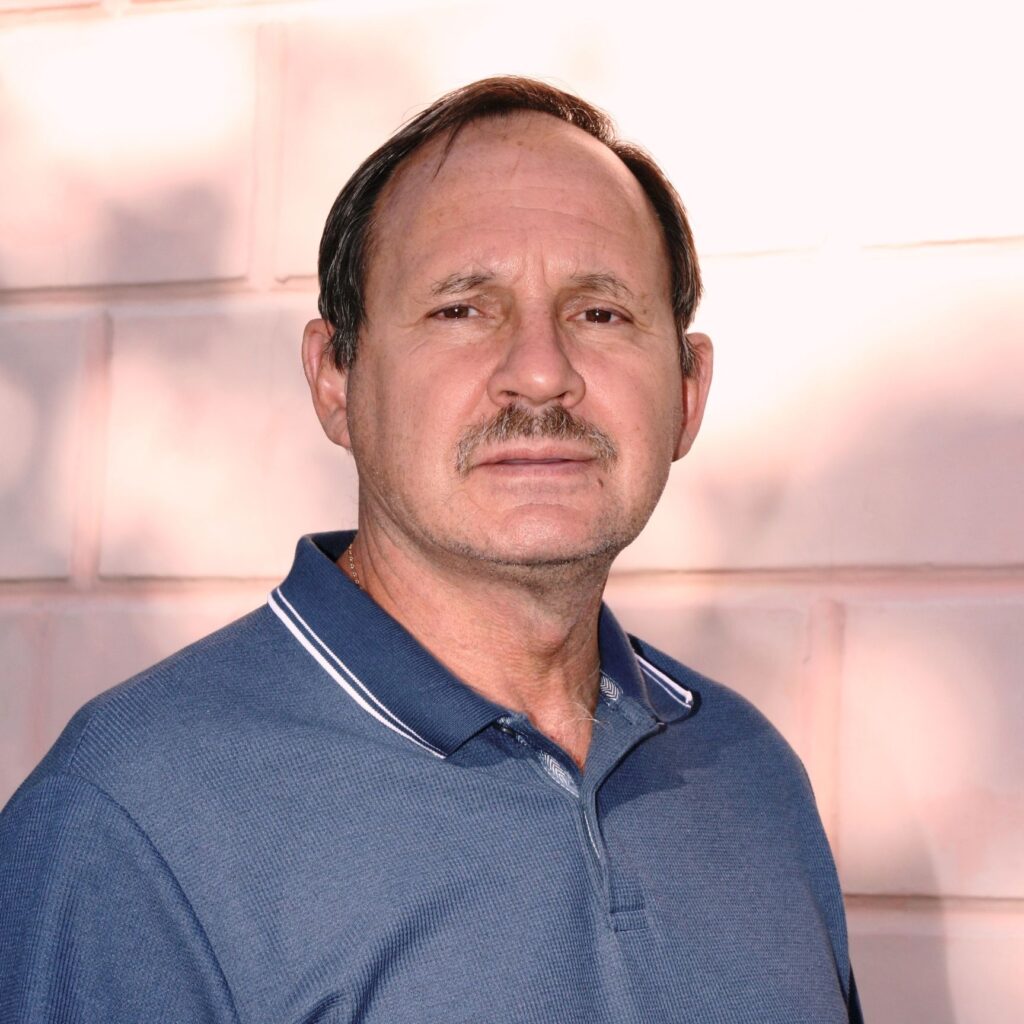
TALK 6
September 20 at 18:00
TOPIC: “THE SOLSTICE OF LIFE. THE MEANINGS OF LIFE, HAPPINESS, SELF, RECONCILIATION, SERVICE”
SPEAKER: Myroslav Dochynets, contemporary writer, publisher, philosopher, journalist, Shevchenko Prize winner.
The lecture-discussion is aimed at enabling each participant to start an internal dialog with themselves about the true meanings of life, happiness, self, reconciliation, and service. To try to find the potential for personal development and resilience in the face of social turbulence and personal experiences.
Piotr Kulpa
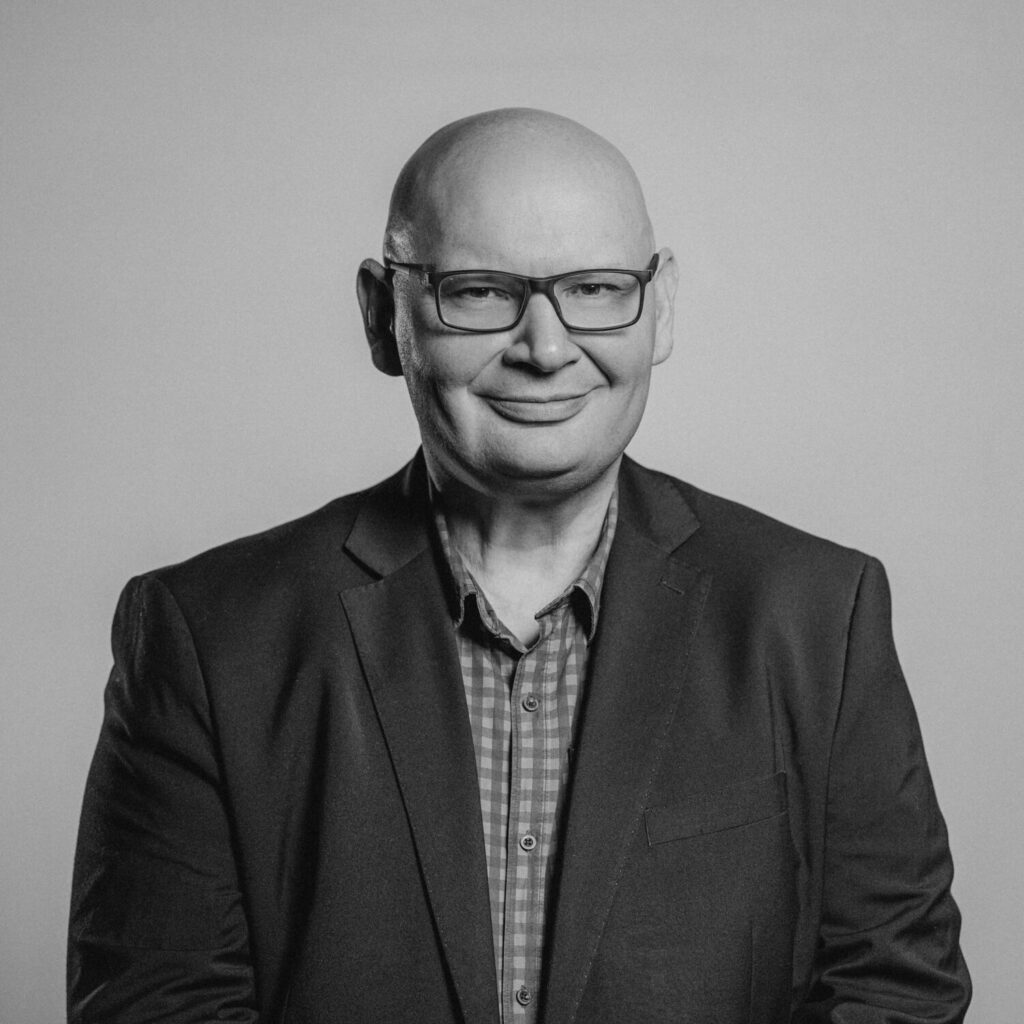
TALK 5
September 12 at 18:00
TOPIC:”The power of the sea and territory – a story about the state”
SPEAKER: Piotr Kulpa, Mentor of the Department of Public Administration at the Kyiv School of Public Administration named after Serhiy Nyzhnyy (KSPA), former Director General of the Polish Public Health System (2009-2014), Chairman of the Government Committee on Health Insurance Reform, former Secretary of the Polish Delegation to the NATO Parliament, Legal Advisor to the Strategy Department of the Supreme Audit Institution of Poland, worked in many countries as an expert of the International Labor Organization, the World Health Organization, and the Council of Europe.
The lecture-discussion offers to explore how geography is interwoven into the state model and determines the place of a person in it. We will learn how geography influences the formation of political ideas and behavioral patterns. We will also try to understand where the main lines of the meta-institutional war are and which way to choose: east or west. In addition, we will try to identify where the main fronts of the meta-institutional war are and how not to make a mistake when choosing to move east or west.
Oleksandr Zinchenko
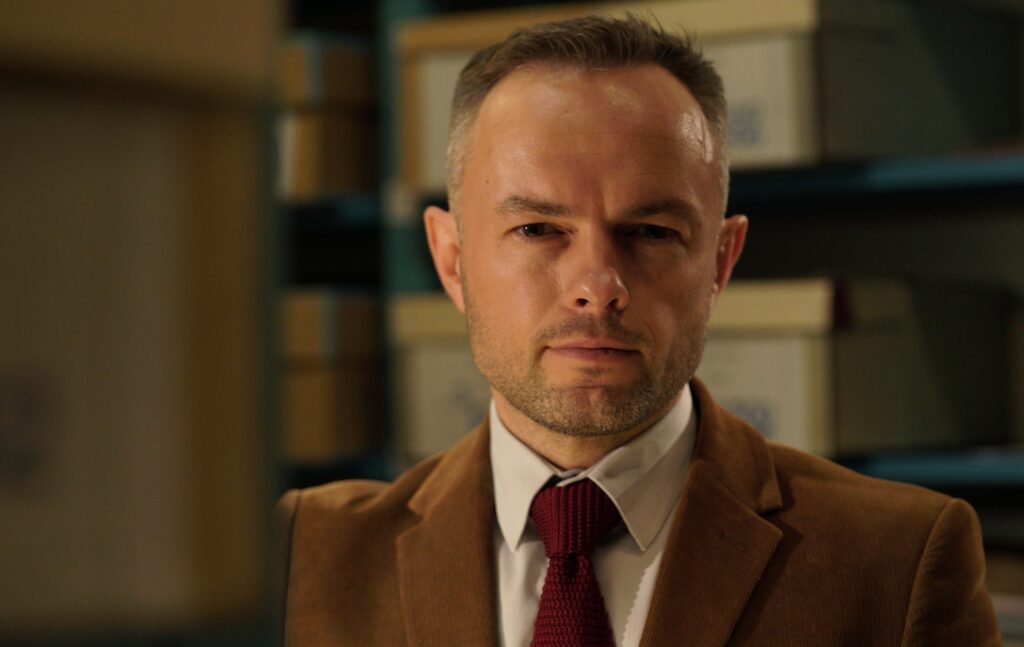
SESSION 4
August 16 at 18:00
TOPIC: “HISTORY AS THE BASIS OF NATIONAL SECURITY”
SPEAKER: Oleksandr Zinchenko, co-founder of Historical Truth, historian, publicist, author of program “Public Broadcasting”
We will talk about historical narratives that are important today for strengthening national identity, preserving national traditions, historical
memory, and shaping the Ukrainian strategic narrative.
A lecture-discussion with a presentation of Oleksandr Zinchenko’s book “How Ukrainians Destroyed the Evil Empire”, aimed at providing an opportunity to see unobvious connections, learn the content of classified archives, and form an understanding of the historical archetype of Ukrainians fighting for independence.
Joseph Zisels
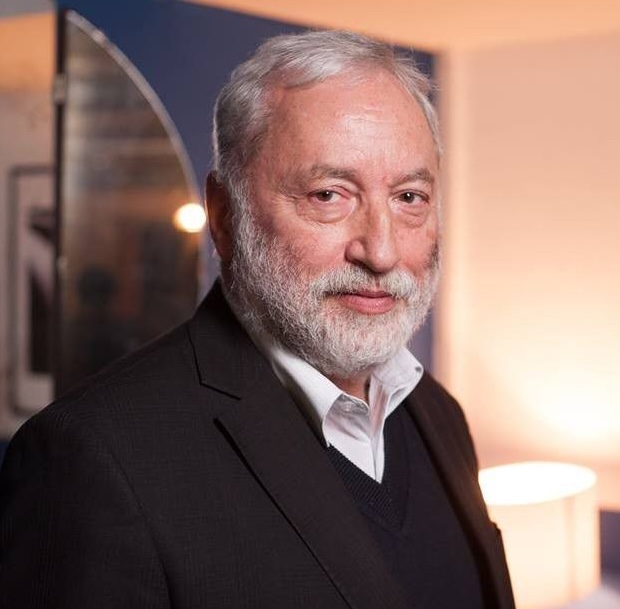
DISCUSSION 3
12 July at 19:00
TOPIC: ‘WAR AND CIVILISATIONAL IDENTITY’
SPEAKER: Joseph Zisels, dissident, human rights activist, co-president of the Association of Jewish Organisations and Communities (Vaadu) of Ukraine, deputy head of the National Commission for the Rehabilitation of Victims of Political Repression
We will talk about civilisational identity, inter-civilisational war, civilisational values, the future of Ukraine; how Ukraine is going through the process of modernisation at the intersection of civilisational identities in the context of inter-civilisational war; the roots of the mixed identity of Ukrainians
Heorhii Kovalenko
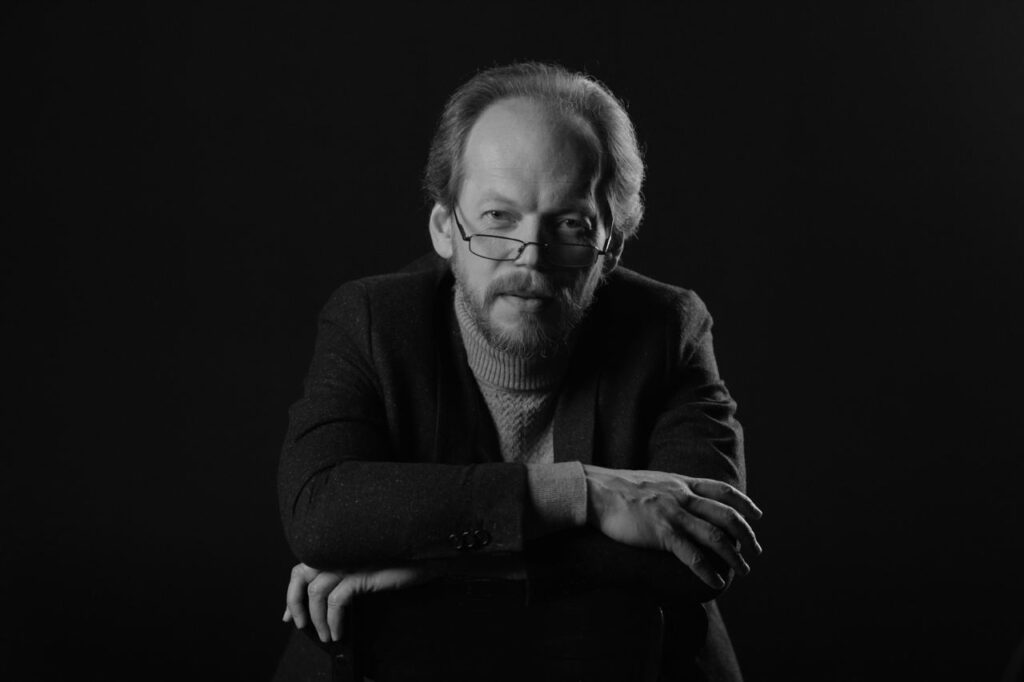
DISCUSSION 2
05 July at 19:00
TOPIC: “MOBILISATION AS ASCETICISM. VICTORY AS A SUPER EFFORT”
SPEAKER: Heorhii Kovalenko, PhD in Philosophy, Ukrainian Orthodox clergyman, public figure, rector of the Open Orthodox University of St Sophia the Wise
We will talk about mobilisation, which is one of the most discussed and controversial topics during the war.
Our main dream and goal is Victory. But do we ever think about what meanings these words originally had and what meanings we fill them with today?
The mentor of this lecture-discussion offers a view of “mobilisation” and “victory” as concepts with non-obvious semantic meanings, and considers the Christian ascetic tradition as a practice that helps people and countries in times of war.
Taras Liutii
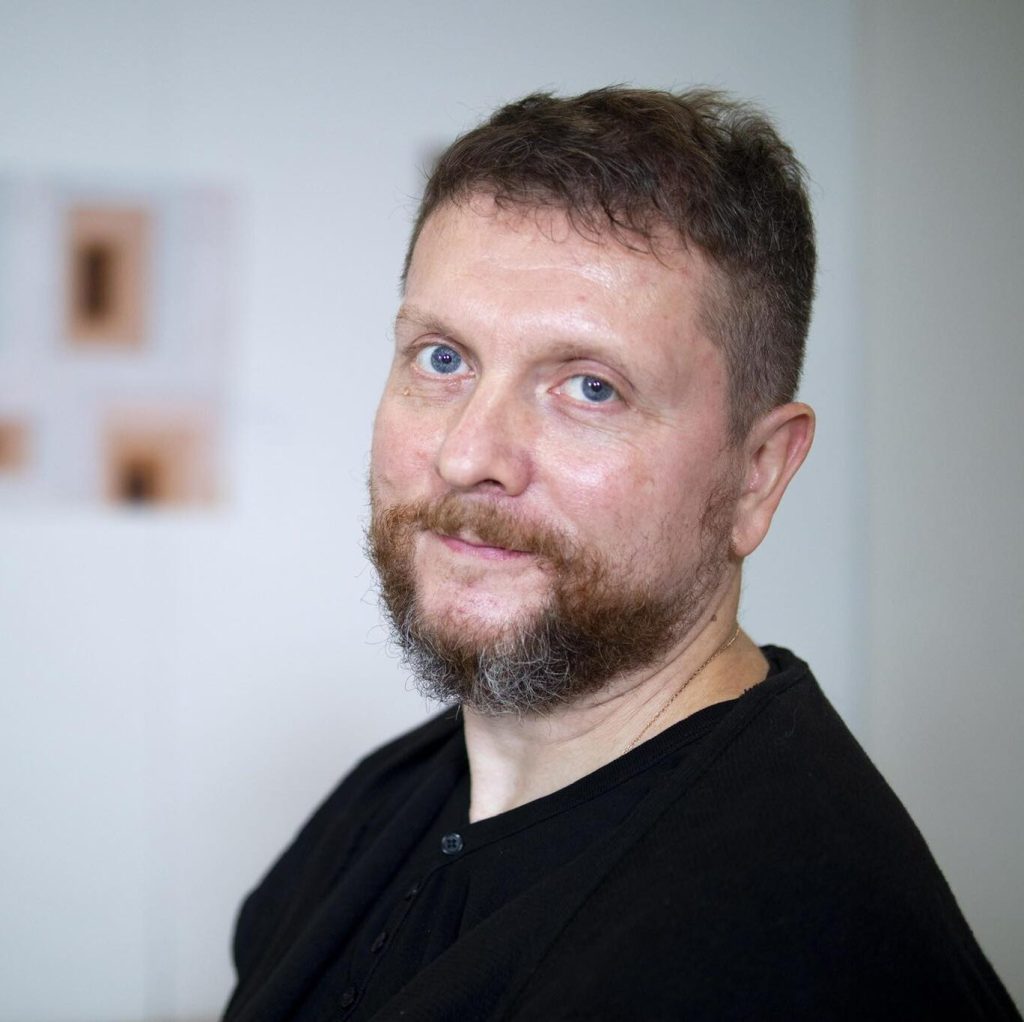
DISCUSSION 1
17 May at 19:00
TOPIC: “THE BIRTH OF A PERSONALITY”
SPEAKER: Taras Liutii, Ukrainian philosopher, writer, columnist and musician
We will talk about reflection on the inner dimension; self-determination in choosing what is allowed to be called good and evil; openness, not stubborn denial of the realm that remains incomprehensible (the Absolute); opening up possible worlds, but not dissolving in them; projecting oneself through setting goals and declaring intentions; constant reinvention of oneself